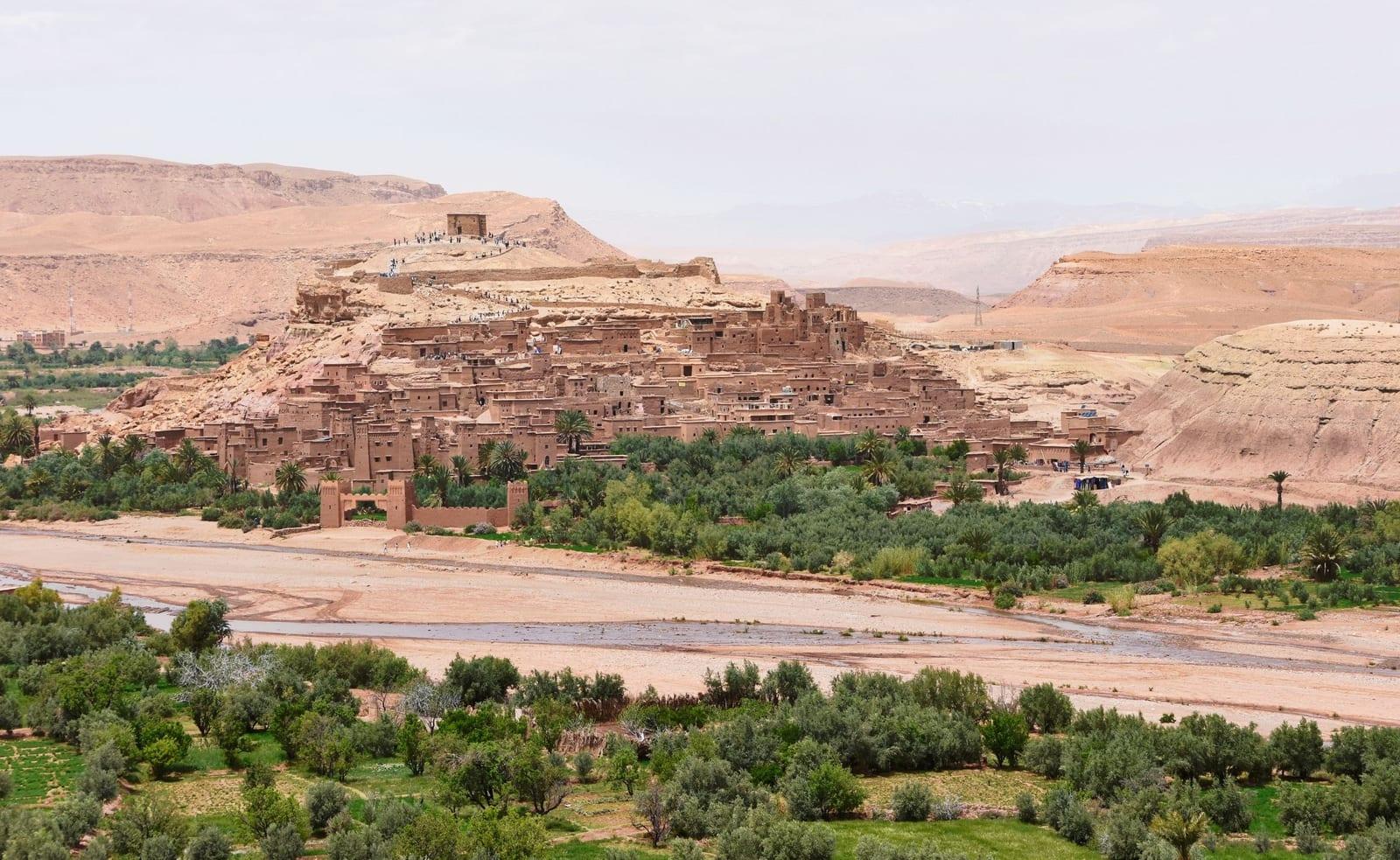
Sometimes all it takes is leaving the big cities behind to discover a Morocco you had never imagined. In the Dades Valley, the landscapes take on a particular depth: ochre-tinged cliffs, gardens at the foot of the villages and earthen houses that seem to extend the natural scenery. In the morning, the light glides across the relief; in the evening, the silence invites you to linger.
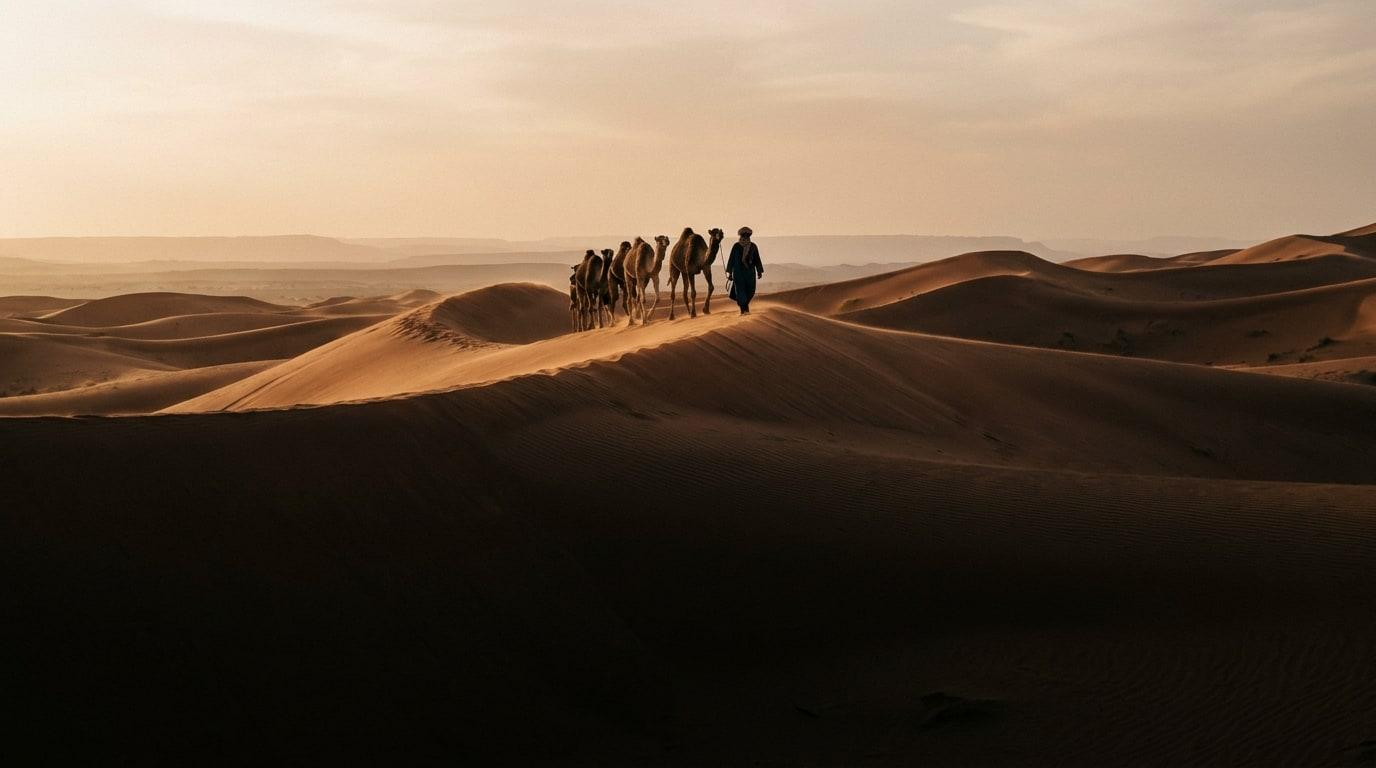
Located in south-eastern Morocco, this valley offers a beautiful transition between the Atlas Mountains and the first stages of a journey towards the Sahara. You can pass through it on the road to Merzouga, but it more than deserves a stop of a night or two.
Where is the Dades Valley?
The valley follows the course of the Dades river in the Drâa-Tafilalet region, between the peaks of the High Atlas and the pre-Saharan landscapes. Boumalne Dades is a convenient landmark for reaching the gorges and the villages of the valley. It can be reached from Ouarzazate, among other places, passing near Skoura and Kelaat M'Gouna.
The appeal of this region is that it brings together very different landscapes in a single itinerary. Oases and cultivated fields sit alongside arid rock formations, sometimes just a few minutes' drive apart. The Moroccan National Tourist Office lists the Dades among the places to discover in this part of the country.
What to see in the Dades Valley?
The Monkey Fingers rock formations
These rounded formations are among the most unusual landscapes in the valley. Their sculpted appearance changes throughout the day, as the shadows stretch across the rock. A stop by the roadside is enough to appreciate their silhouette; to get closer, ask a local guide to point you towards a suitable path.
Some stretches along the floor of the canyons call for caution, especially in rainy weather. A short walk, away from exposed areas, is often enough to enjoy the scenery without undertaking a difficult hike.
The winding road through the gorges
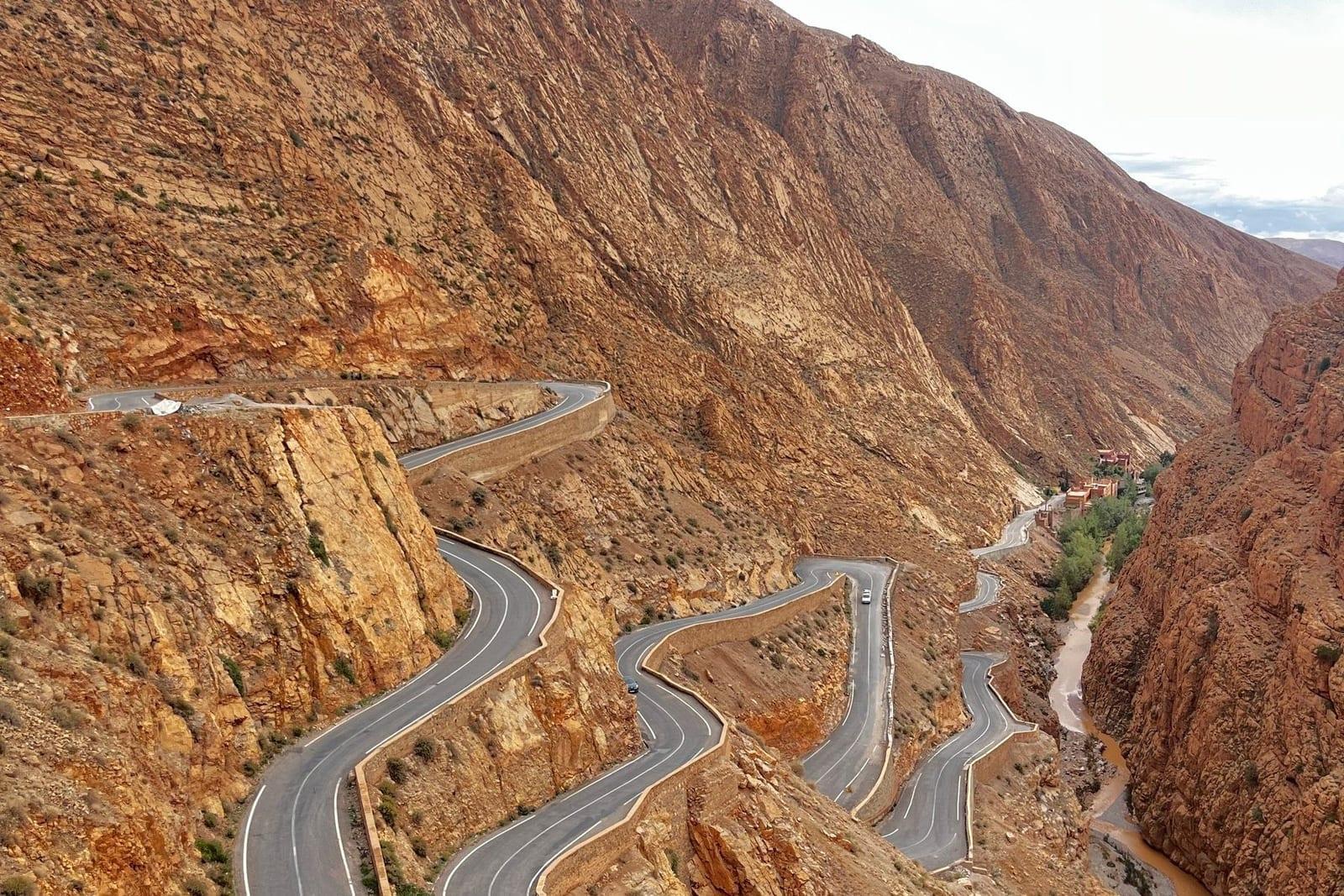
The hairpin bends of the Dades are one of the region's most iconic images. The relief closes in around the road, and several viewpoints let you take in the full scale of the landscape. Choose a safe place to park rather than stopping on a bend to take a photograph.
With a driver who knows the region, the climb becomes a succession of panoramas and pauses. In rain or snow, adapt your route to local conditions.
Villages, gardens and kasbahs
Beyond the gorges, take the time to observe daily life: the cultivated gardens, the paths between the houses and the earthen architecture. A guided walk helps you understand how water resources and the terrain shape the organisation of the valley.
Some kasbahs are private, inhabited or fragile. Do not enter an abandoned building without permission and without checking its condition. Ask residents for their consent before photographing them, too. These small courtesies make the encounter more respectful.
How long to stay in the Dades?
For a first visit, one night is a good minimum. A second night frees up a whole day without luggage or a long drive.
Here is a suggested two-night stop:
- Day one: arrival from Ouarzazate, a stop near the Valley of Roses, a first look at the panoramas and settling into local accommodation.
- Day two: exploring the gorges, a walk suited to your level, a leisurely lunch, then back at the end of the day.
- Day three: departure for Tinghir and, depending on your itinerary, onward to the dunes of Merzouga.
This programme is a suggestion, not an obligation to do everything. If you enjoy photography, devote more time to the first and last hours of the day. If you are travelling as a family, opt instead for easy walks and a long lunch break.
When is the best time to visit the Dades?
Spring and autumn are often pleasant for walking and exploring the villages. In summer, head out early in the morning and late in the day. In winter, nights can be cold and some mountain roads may be affected by bad weather.
Don't confuse the mildness of a coastal city with conditions inland: bring layers of clothing, good shoes and accommodation suited to the season.
Combining the Dades with the Sahara and Ouarzazate
The Dades lends itself particularly well to a tour of the deep south. Our tour The Kasbah Trail crosses the region and includes a night in the valley. It is a wonderful way to discover the oases, the kasbahs and the desert as part of a more complete journey.
The Sahara Bound tour also passes through the Dades on its way to Merzouga. If the valley particularly appeals to you, you can ask us to look into an extra night rather than limiting your discovery to a few stops.
A tailor-made itinerary lets you put the emphasis on walking, encounters, comfort or panoramas, as you wish. Dreaming of exploring this part of Morocco without worrying about organising the travel? Contact our team to build your private trip and talk it through on WhatsApp.
Frequently asked questions
Are the Dades Gorges and the Todra Gorges the same?
No. They are two separate sites in south-eastern Morocco. They can be combined on the same tour, but each has its own landscapes and access.
Can you visit the Dades without a strenuous hike?
Yes. Several panoramas can be reached by road. Opt for short walks and choose your paths according to the weather and your mobility.
How many nights should you plan in the Dades Valley?
One night allows a first discovery. Two nights are better, giving you a full day to explore the surroundings without rushing.