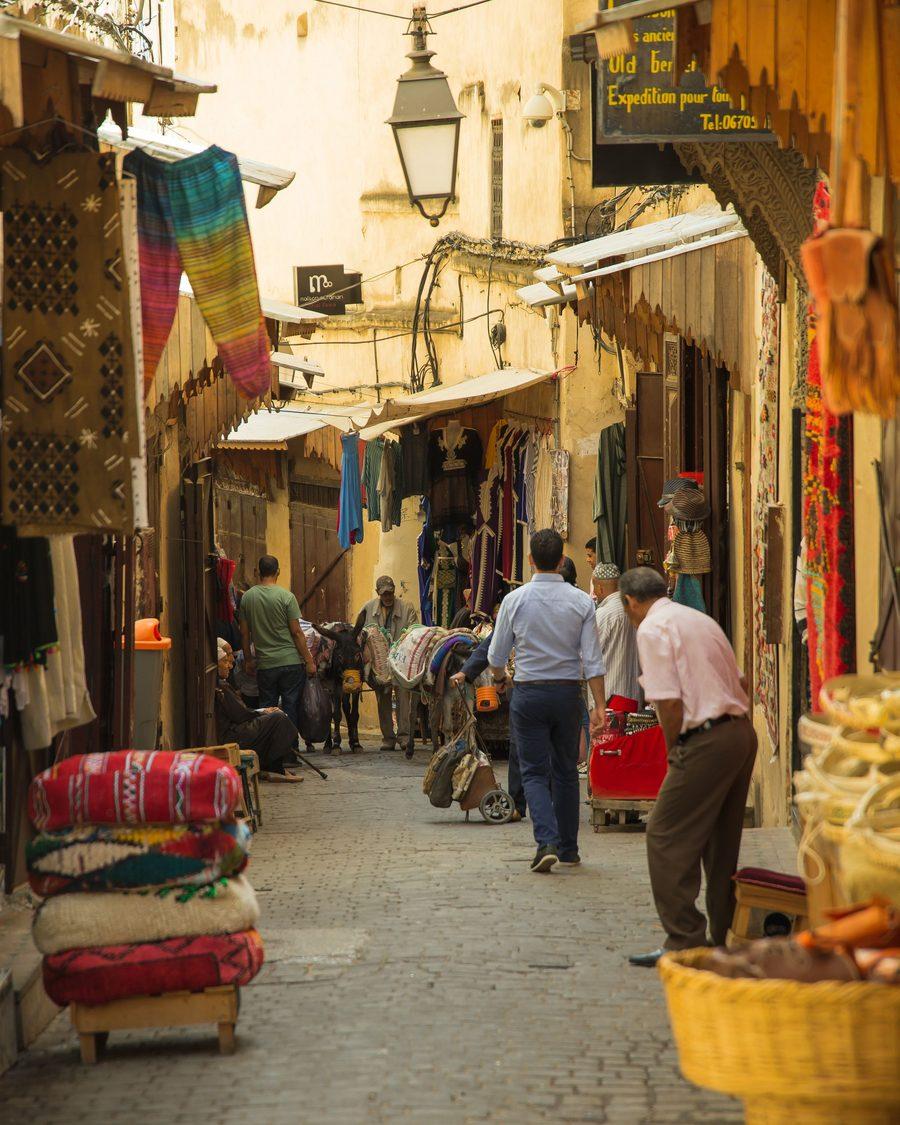
Fes is not so much visited as crossed. Beyond the blue gate of Bab Boujloud begins a world of lanes where donkeys still carry the goods, where the hammering of the coppersmiths answers the call to prayer, and where, within a few minutes, you pass a 14th-century madrasa, a neighbourhood bread oven and a weaver's workshop.
Founded at the end of the 8th century, Fes is the oldest of Morocco's imperial cities and was long its spiritual and intellectual capital. Here is our guide to discovering it in depth, without getting lost (or only just enough).
Fes el-Bali, the UNESCO-listed medina
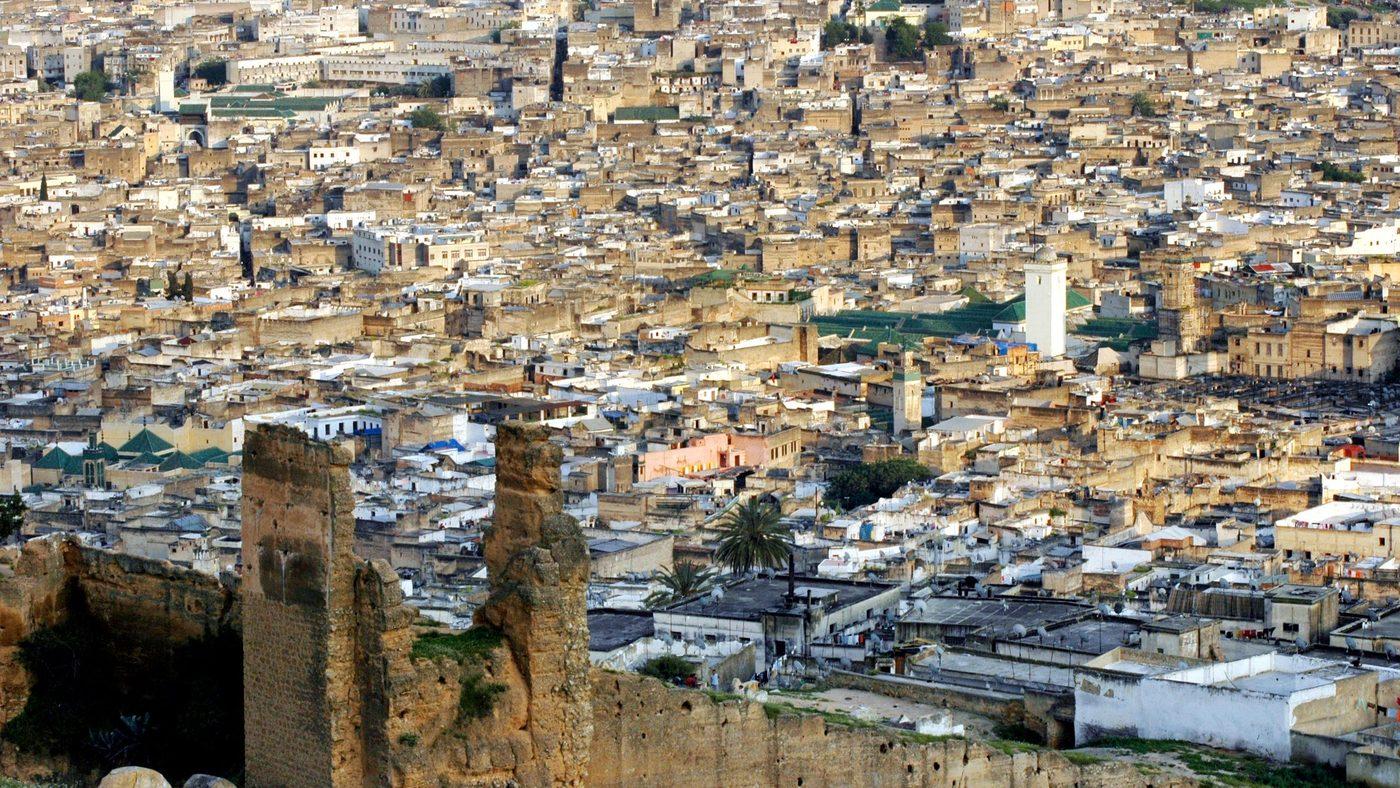
A UNESCO World Heritage Site since 1981, Fes el-Bali is one of the largest car-free urban areas in the world. Here there are no taxis or scooters in the lanes: you get around on foot, and goods travel on the backs of donkeys and mules.
Two main thoroughfares, the Tala'a Kebira and the Tala'a Seghira, run down from Bab Boujloud towards the heart of the medina. Around them are arranged the craftsmen's quarters, the souks, the mosques and the fondouks, the old caravanserais where merchants and their pack animals once lodged.
The medina's must-sees
The Chouara tanneries
This is the most famous image of Fes: dozens of stone vats filled with dyes, where the tanners work the hides just as they did in the Middle Ages. You watch them from the terraces of the leather shops that surround them. You will be handed a sprig of mint at the entrance: the smell is strong, especially in hot weather. In the morning, the light and the activity are at their finest.
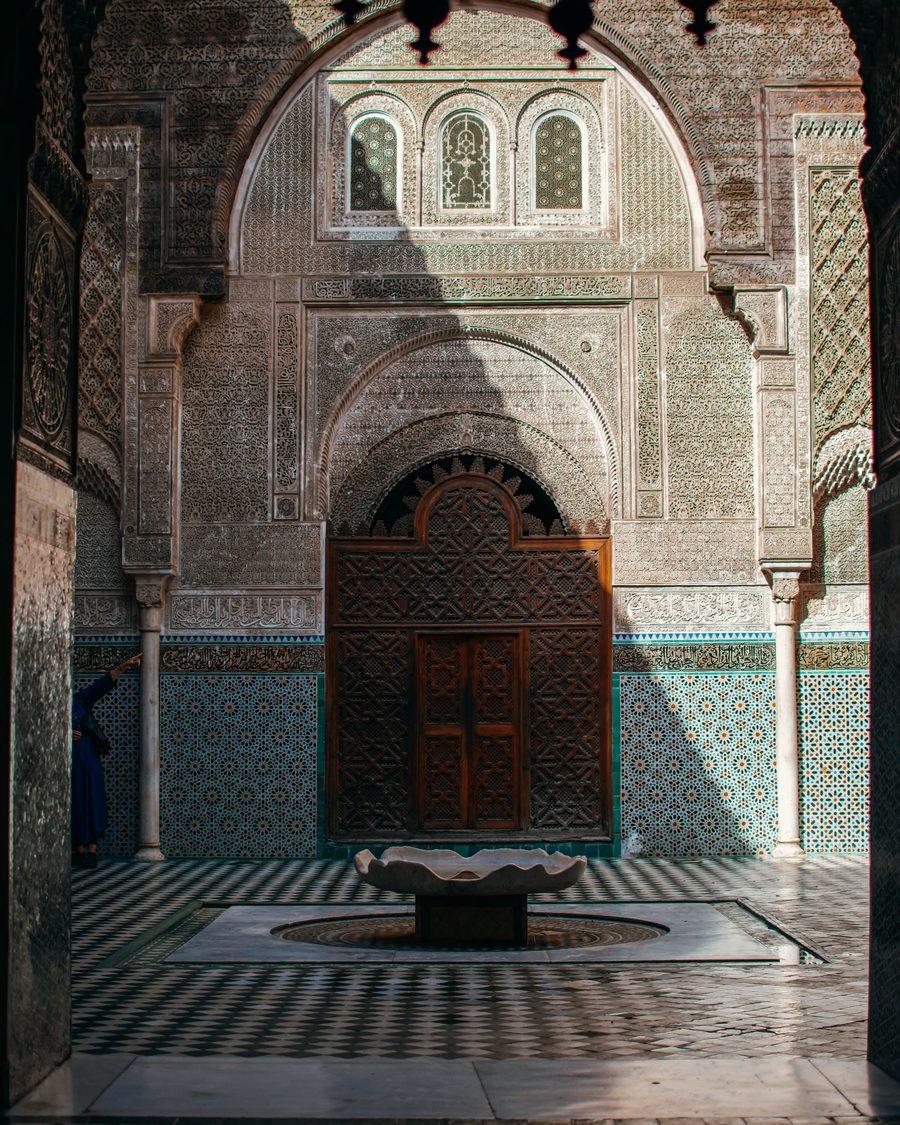
Bou Inania Madrasa
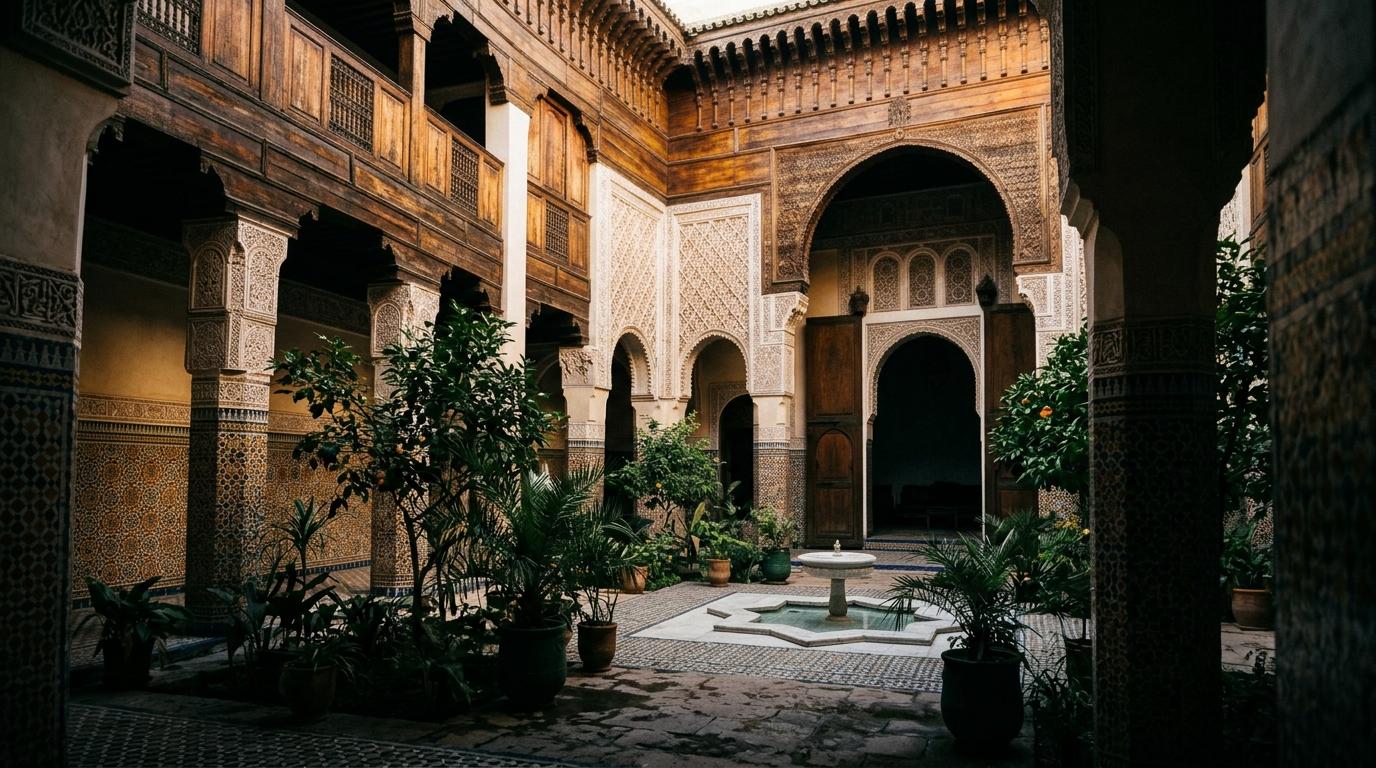
Built in the 14th century by the Marinids, it is one of the few madrasas still open to non-Muslim visitors. Carved cedarwood, chiselled stucco, zellige tilework: a high point of Hispano-Moorish art.
Al-Attarine Madrasa
Smaller but just as refined, it stands a stone's throw from the Quaraouiyine, in the heart of the spice sellers' souk that gives it its name. Head upstairs for a glimpse of the green roofs of the great mosque next door.
The Quaraouiyine
Founded in the 9th century by Fatima al-Fihri, the Quaraouiyine (Al-Qarawiyyin) is often described as the oldest university in the world still in operation. The mosque is not open to non-Muslims, but its doorways offer a glimpse of the beauty of its courtyard.
Seffarine Square and the Nejjarine Fountain
On Seffarine Square, the coppersmiths hammer away in the open air. A little further on, the zellige-covered Nejjarine Fountain guards the entrance to the Museum of Wooden Arts and Crafts, housed in a beautifully restored former fondouk.
Fes el-Jdid and the Mellah
Built by the Marinids in the 13th century, Fes el-Jdid ("New Fes") is home to the Royal Palace, whose immense golden doors are among the most photographed in the country. Right next door, the Mellah, the former Jewish quarter, is recognisable by its houses with balconies facing the street, a rare style in Moroccan medinas. You can visit a synagogue and the Jewish cemetery there.
The best viewpoints over Fes
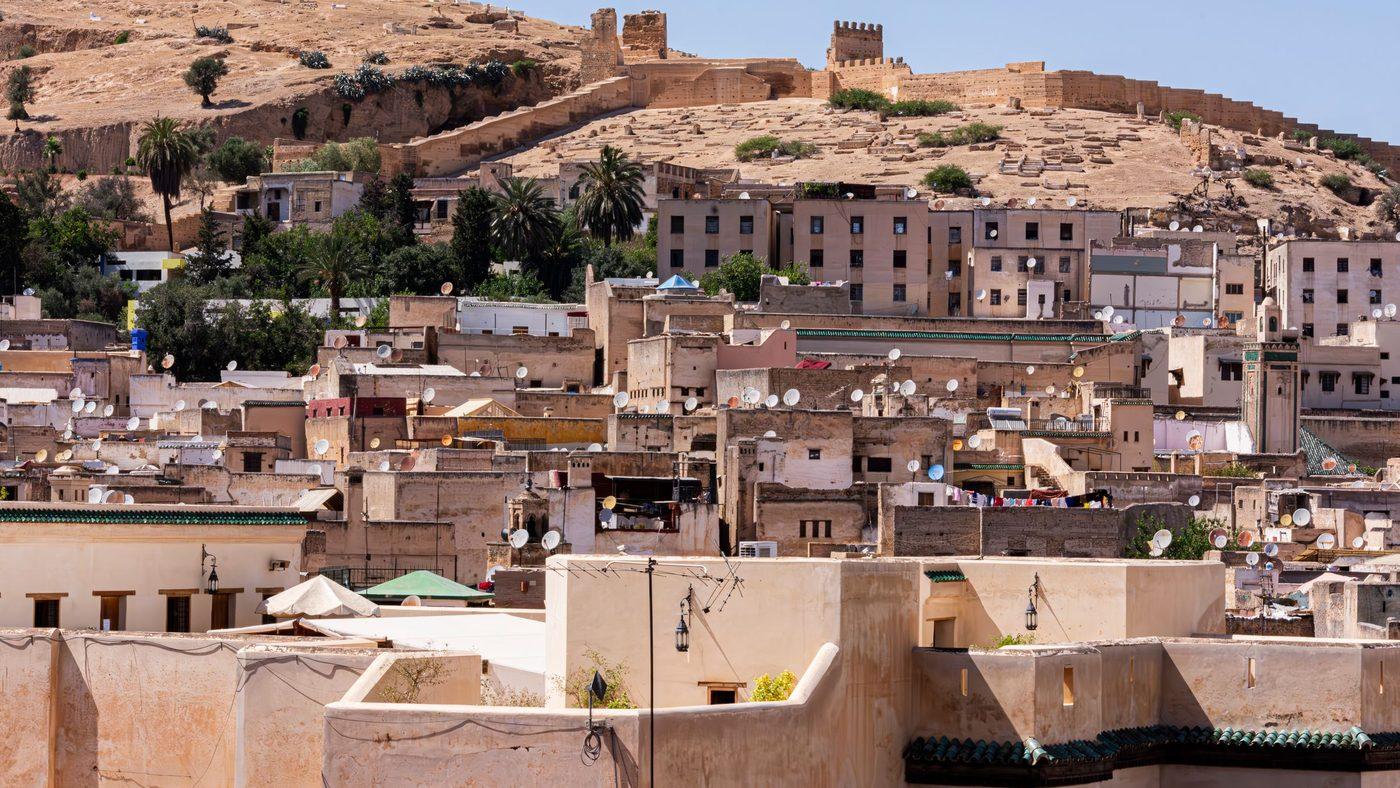
- The Marinid Tombs, on the hill to the north: the most spectacular panorama over the medina, especially at sunset.
- Borj Nord, a former fortress offering a fine view over the rooftops and minarets.
- Riad terraces, ideal for hearing the calls to prayer echo from one minaret to the next as night falls.
The crafts of Fes
Fes is the capital of Moroccan craftsmanship. It is the ideal place to discover:
- Zellige, the mosaic of hand-cut glazed terracotta, of which Fes remains the great centre of production.
- Fes blue pottery, recognisable by its cobalt blue.
- Leather from the tanneries, turned into babouches, bags and poufs.
- Weaving, embroidery and copperwork.
Visiting a workshop, watching a master at work and leaving with a piece whose story you know: it is one of the finest experiences Fes has to offer.
What to eat in Fes?
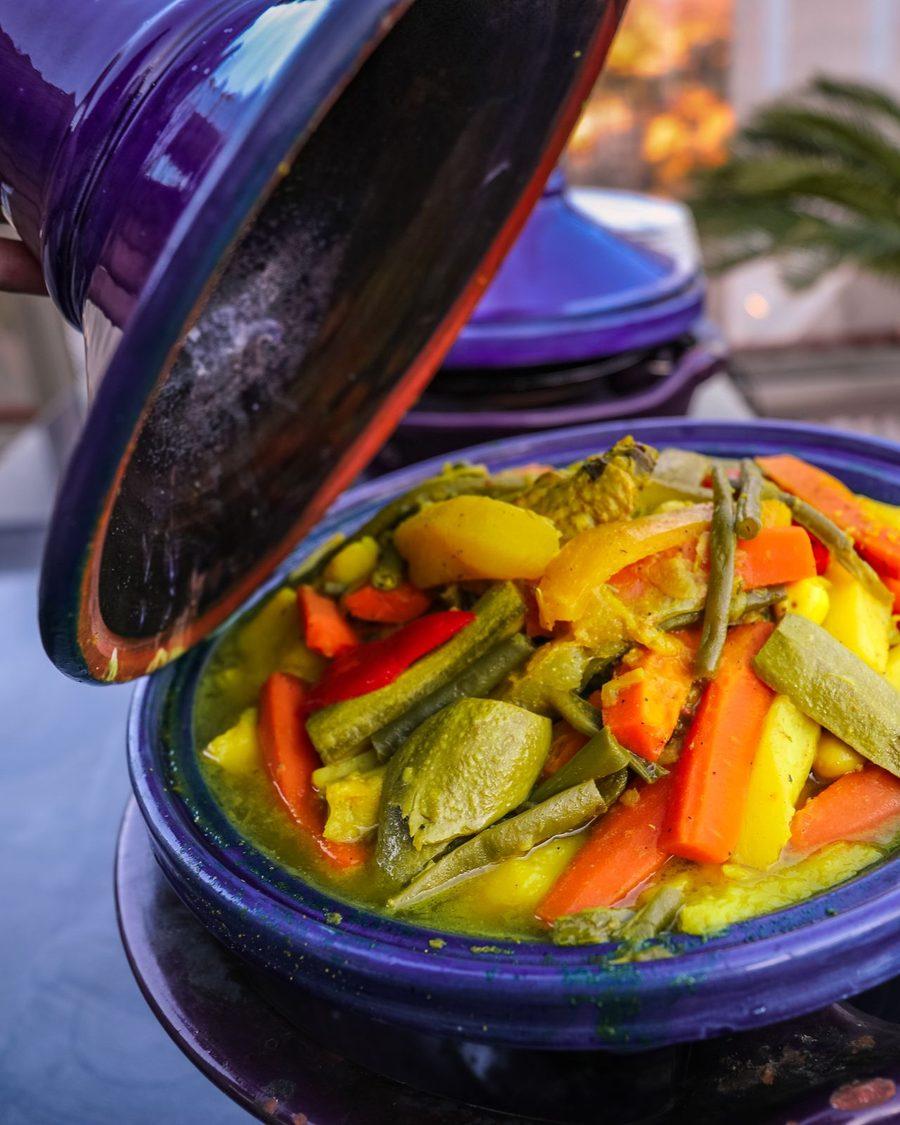
Fes is renowned for the refinement of its cuisine. Don't miss the sweet-and-savoury Fassi pastilla, nor the steaming bissara served for breakfast at the medina's food stalls. You'll find all our favourite dishes in our guide to Moroccan food.
Escapes around Fes
| Escape | Distance | Why go |
|---|---|---|
| Meknes | About 1 hr | The imperial city of Moulay Ismail, Bab Mansour |
| Volubilis | About 1 hr 30 | Morocco's finest Roman ruins (UNESCO) |
| Moulay Idriss Zerhoun | About 1 hr 30 | A hilltop holy town, best combined with Volubilis |
| Ifrane and Azrou | About 1 hr 30 | Cedar forests, Barbary macaques, mountain air |
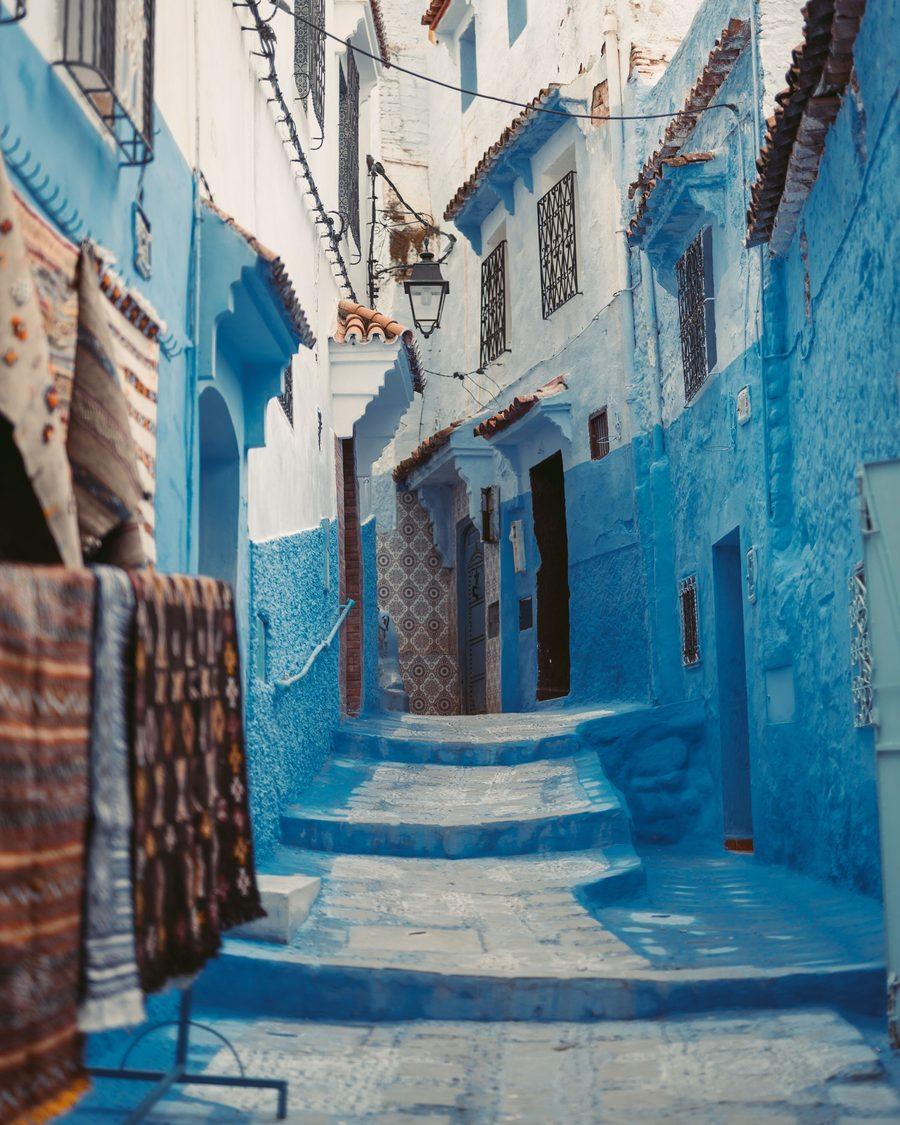
| Chefchaouen | About 4 hrs | The blue city of the Rif |
Our ideal Fes itinerary
- Day 1, the medina with a guide: Bab Boujloud, Bou Inania Madrasa, the souks, the Quaraouiyine and Al-Attarine, the Chouara tanneries, Seffarine Square.
- Day 2, Fes el-Jdid and craftsmanship: the Royal Palace, the Mellah, a zellige or pottery workshop, sunset at the Marinid Tombs.
- Day 3, Volubilis and Meknes: Roman ruins in the morning, Meknes in the afternoon, back to your riad for dinner.
Fes on our tours
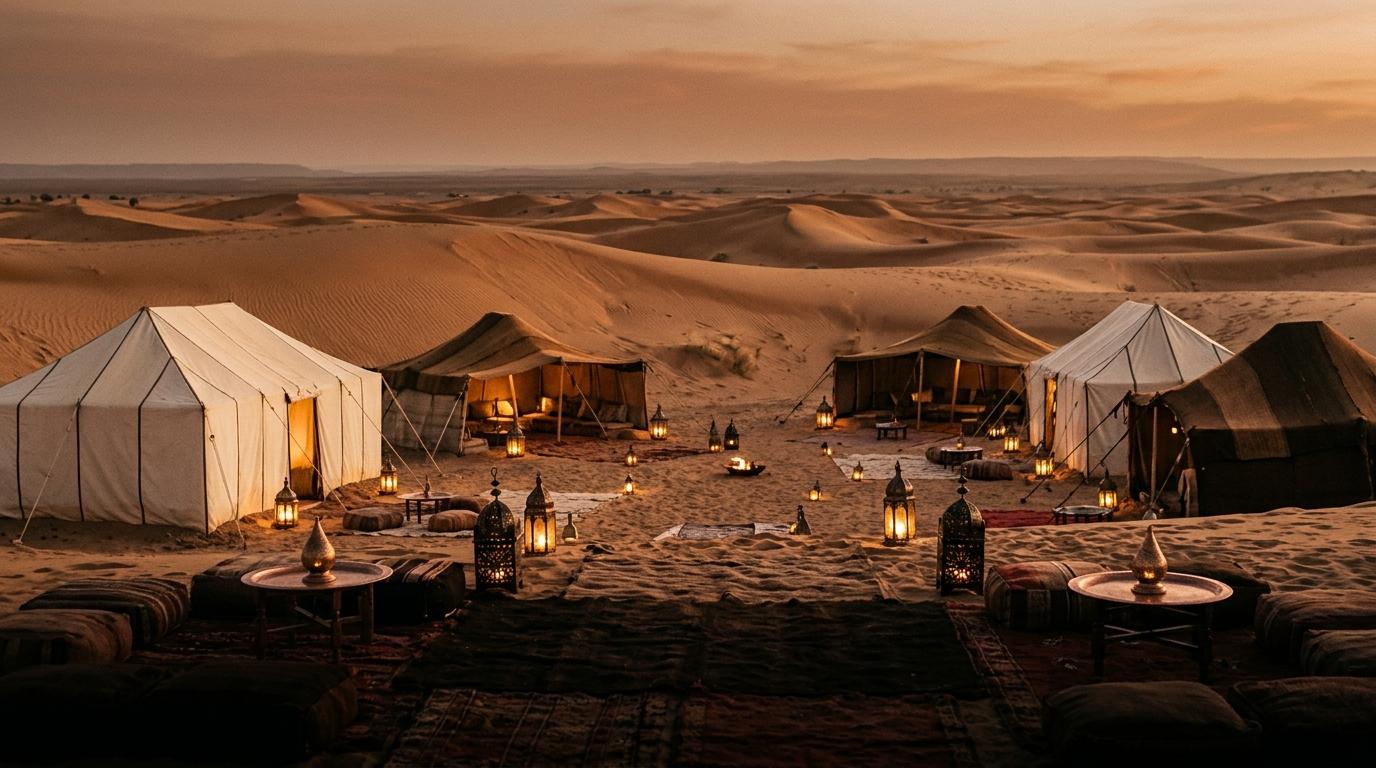
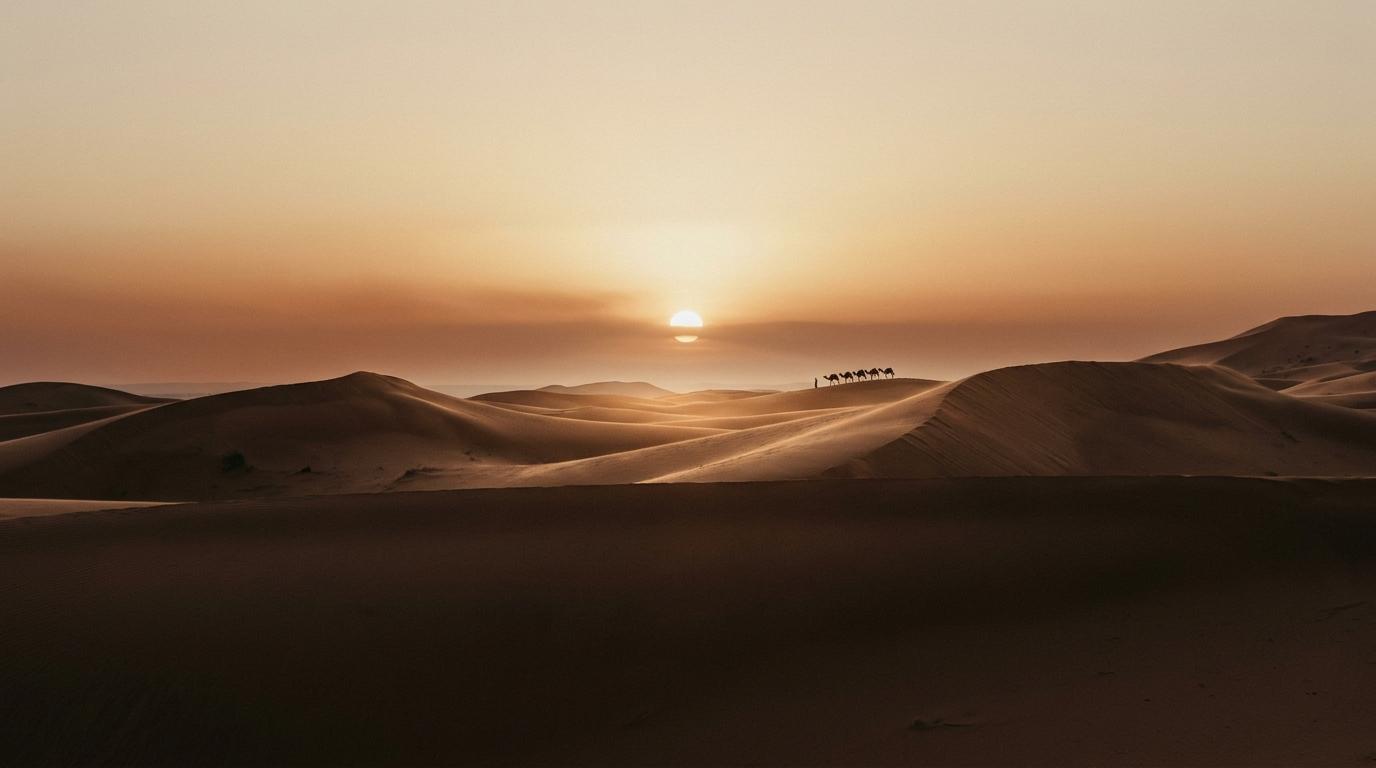
Fes is a key stop on several of our itineraries. The Sahara Bound tour ends its journey from Marrakech here, by way of the Erg Chebbi dunes. Imperial Cities links Rabat, Chefchaouen, Fes and Marrakech, and From the Strait to the Dunes sets out from Tangier to reach the Sahara via Fes.
Frequently asked questions
How many days do you need to visit Fes?
Two days let you discover the medina and Fes el-Jdid. With three days, you can add Volubilis and Meknes, or a craft workshop, without rushing.
Do you need a guide to visit the Fes medina?
For a first visit, we strongly recommend one. The medina is vast and its lanes all look alike; a licensed guide saves you time and keeps unofficial guides at bay.
Do the tanneries really smell that bad?
The smell is strong, especially in summer and in the middle of the day. The sprig of mint you are offered at the entrance helps a great deal, and the visit usually lasts only about fifteen minutes.
Fes or Marrakech: which should you choose?
Marrakech is livelier and easier for a first trip; Fes is more authentic and more memorable for history lovers. The two complement each other beautifully: our article Marrakech, Fes, the Sahara or Essaouira will help you choose.
How do you get from Fes to the desert?
Allow around 7 to 8 hours by road to Merzouga, crossing the Middle Atlas and the Ziz Valley. We recommend breaking up the journey or setting off early in the morning to arrive in time for sunset.
Can Levart Voyage organise my visit to Fes?
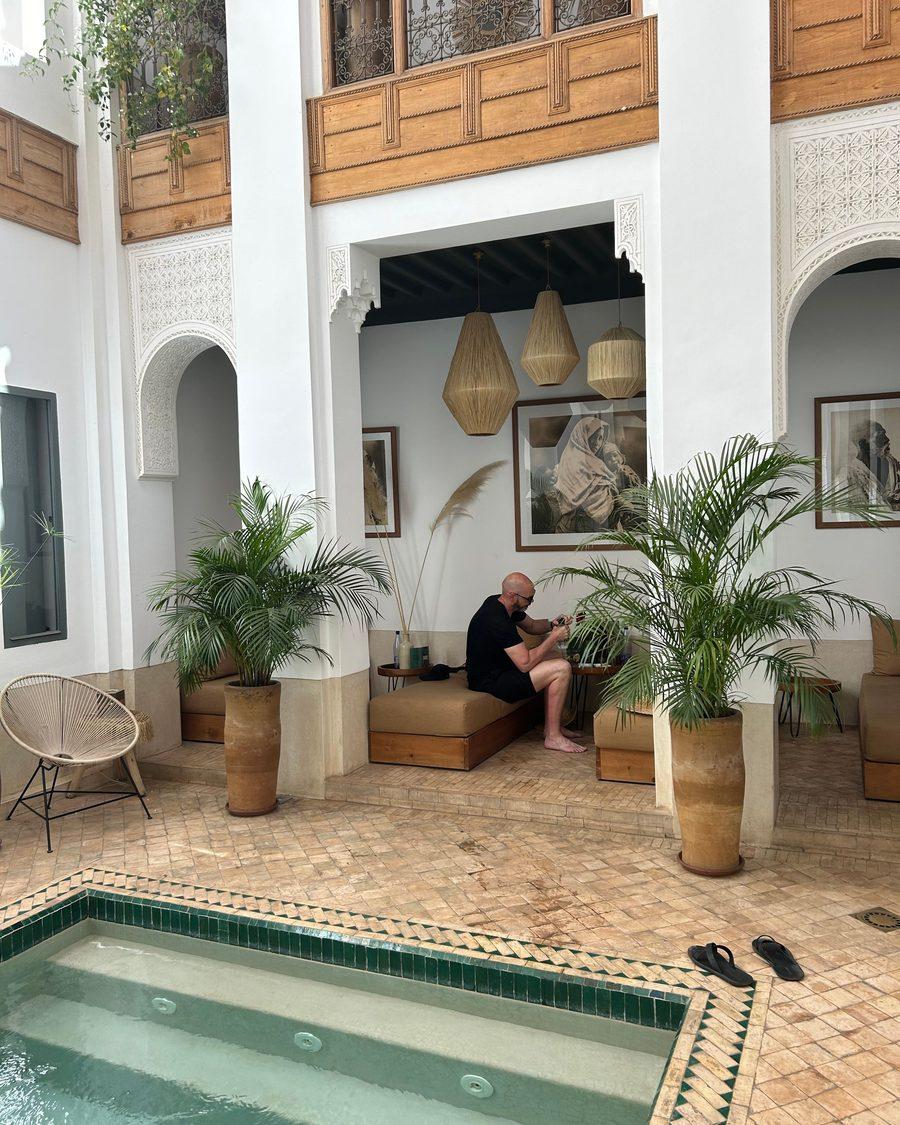
Yes: a riad in the medina, a licensed guide, craft workshops, an excursion to Volubilis. Write to us via our enquiry form or on WhatsApp.