Marrakech is often the gateway to a journey through Morocco and, for many, it is love at first sight. A red city resting at the foot of the Atlas, where the souks hum just a few steps from silent gardens, and where a single stride takes you from the bustle of the medina to the calm of a courtyard.
It can also be disorienting: everything moves fast, and you sometimes feel you are missing what really matters. Here is our selection of the must-sees, a few lesser-known addresses and a three-day itinerary, designed by our team so you can enjoy the city without wearing yourself out.
Jemaa el-Fna, the beating heart of the city
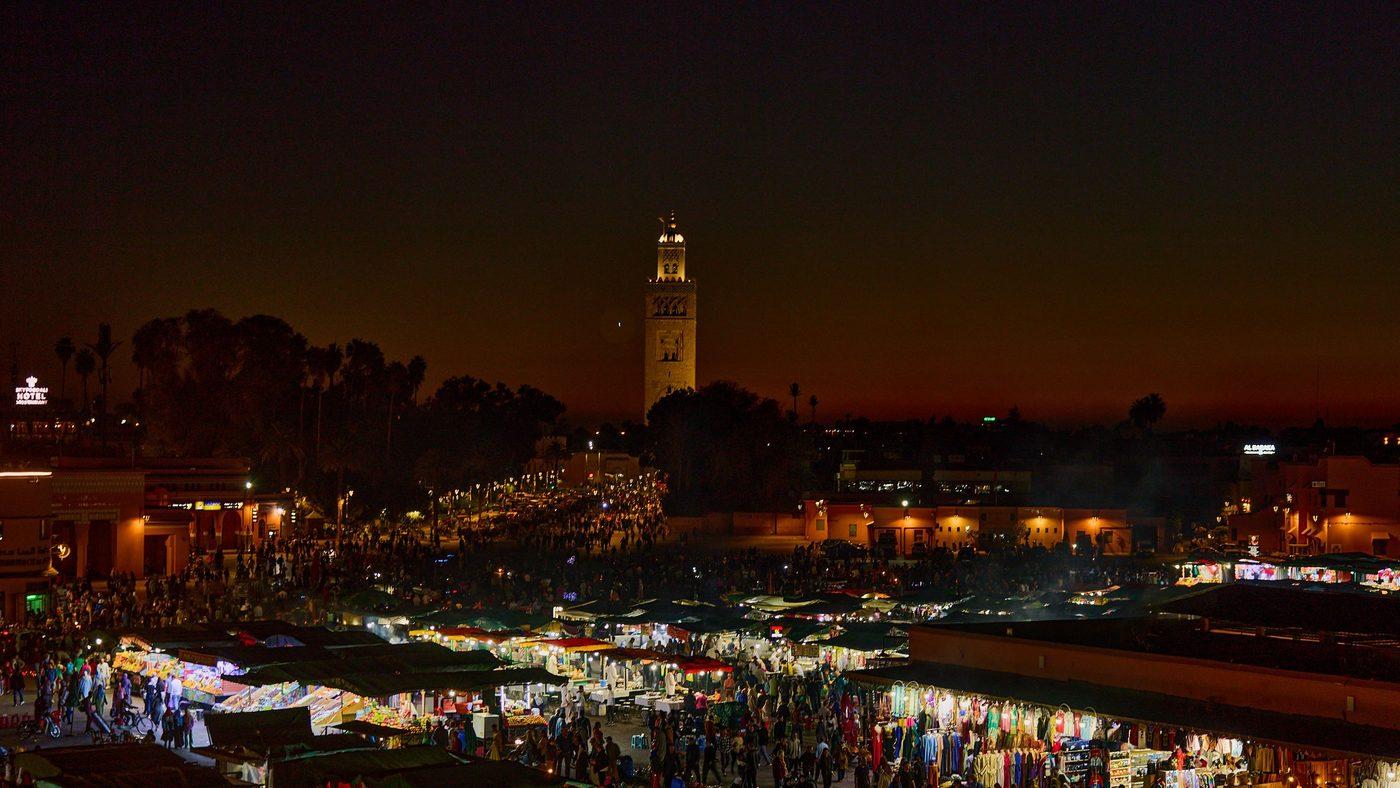
You cannot understand Marrakech without passing through Jemaa el-Fna. In the morning, the square is almost calm: orange juice sellers, snake charmers, henna artists. By late afternoon, everything changes. The food stalls set up, storytellers and musicians gather their circles, and the smoke from the grills drifts up towards the minaret of the Koutoubia.
This unique space has been proclaimed by UNESCO a Masterpiece of the Oral and Intangible Heritage of Humanity. To see it from above, head up at sunset to the terrace of one of the cafés lining the square.
The Koutoubia, the city's landmark
Standing around 77 metres tall, the minaret of the Koutoubia has towered over Marrakech since the 12th century and serves as a compass whenever you lose your way in the medina. The mosque is not open to non-Muslims, but its gardens, on the western side, make a lovely walk at sunset.
The souks: getting (a little) lost in the medina
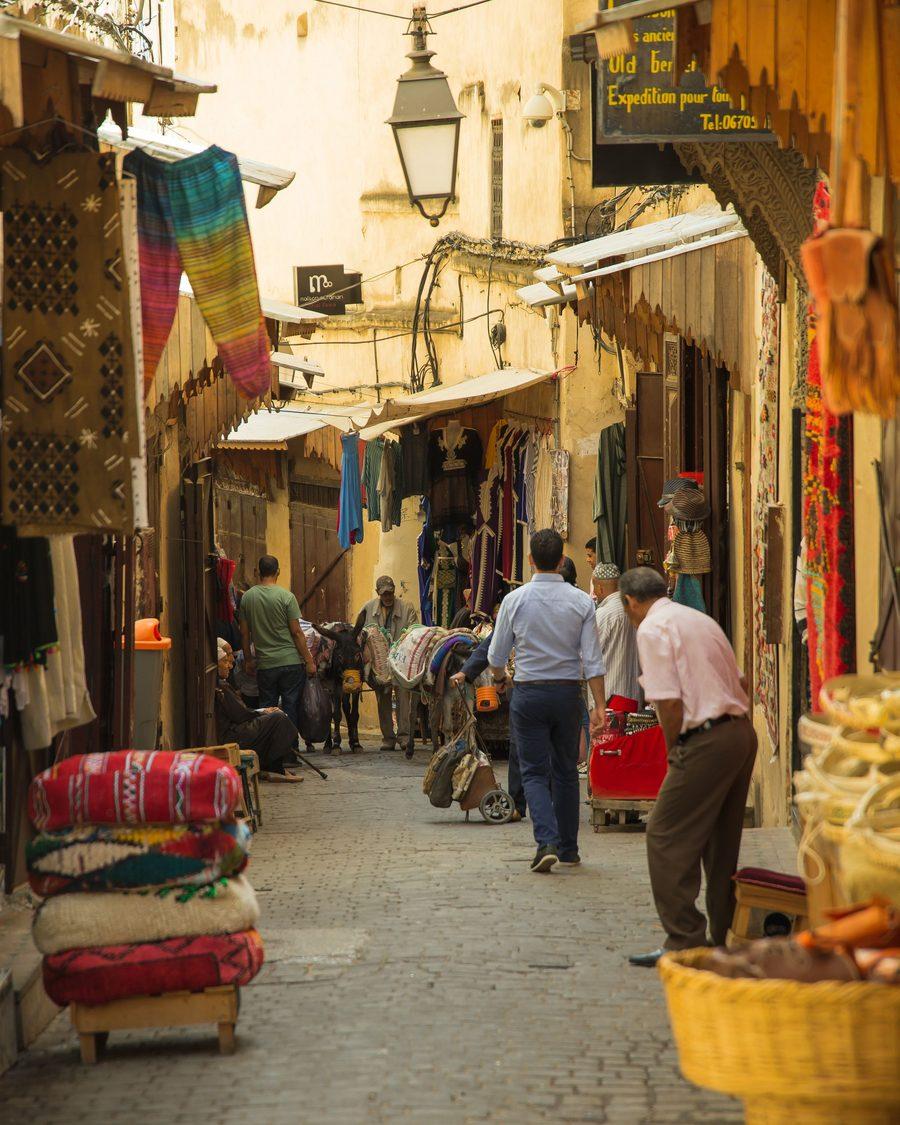
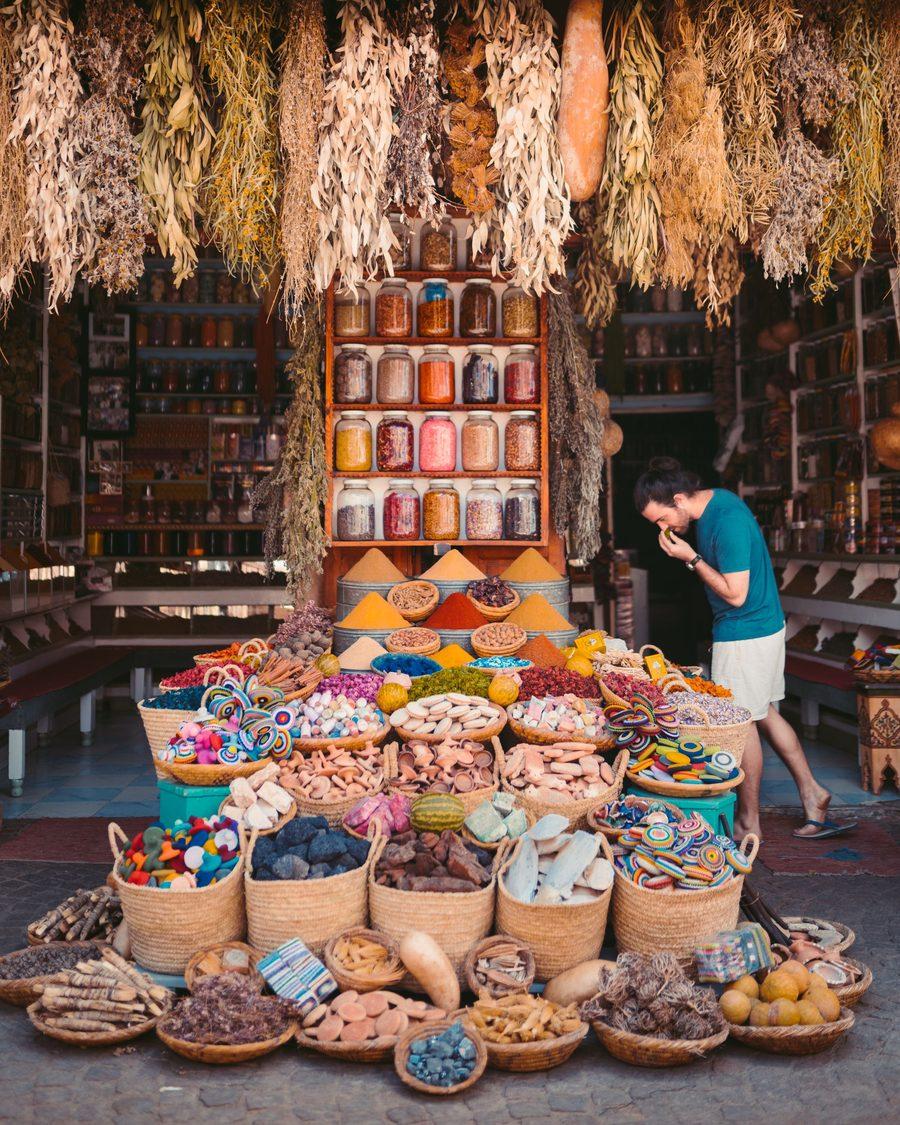
North of Jemaa el-Fna stretches a labyrinth of covered lanes, organised by trade: dyers, coppersmiths, leatherworkers, babouche sellers. Rahba Kedima square, the old grain market, is the ideal spot for spices, herbs and woven baskets.
A few pointers to make the most of it:
- Go in the morning, when the lanes are quieter and the light is softer.
- Haggling is part of the game: set yourself a maximum price and keep smiling.
- A local guide on your first visit helps you find your bearings and the right craftsmen.
Palaces and monuments not to be missed
Bahia Palace
Built in the 19th century for a grand vizier, it unfolds its courtyards, painted cedar ceilings and zellige tilework across nearly eight hectares. Arrive as soon as it opens: it is one of the most visited sites in the city.
Ben Youssef Madrasa
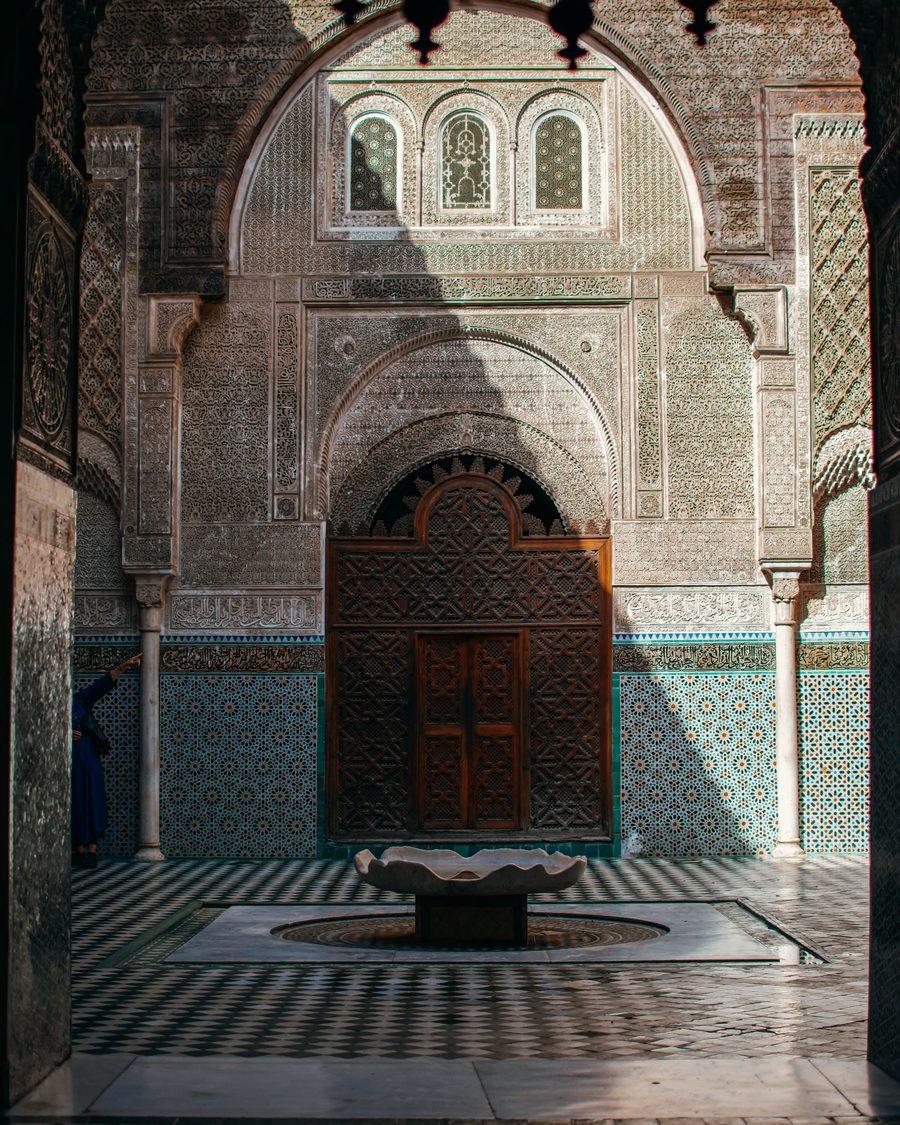
A former Koranic school and a masterpiece of Marinid and later Saadian architecture, it has reopened after a meticulous restoration. Its courtyard, with its pool and carved stucco, is one of the most beautiful in Morocco.
The Saadian Tombs and El Badi Palace
The 16th-century Saadian Tombs were rediscovered in the early 20th century after being walled up for centuries. Close by, the monumental ruins of El Badi Palace offer a striking view over the medina and its storks' nests.
The Mellah
Marrakech's former Jewish quarter, with its Lazama Synagogue and spice markets, tells another chapter of the city's history. A guided visit lets you appreciate its full richness.
The gardens: green interludes
- The Majorelle Garden: created by the painter Jacques Majorelle, then saved by Yves Saint Laurent and Pierre Bergé, it is famous for its intense blue and its cacti. Book your ticket online and come early. The Yves Saint Laurent Museum, right next door, rounds off the visit.
- Le Jardin Secret: a restored riad garden in the heart of the medina, perfect for a quiet pause.
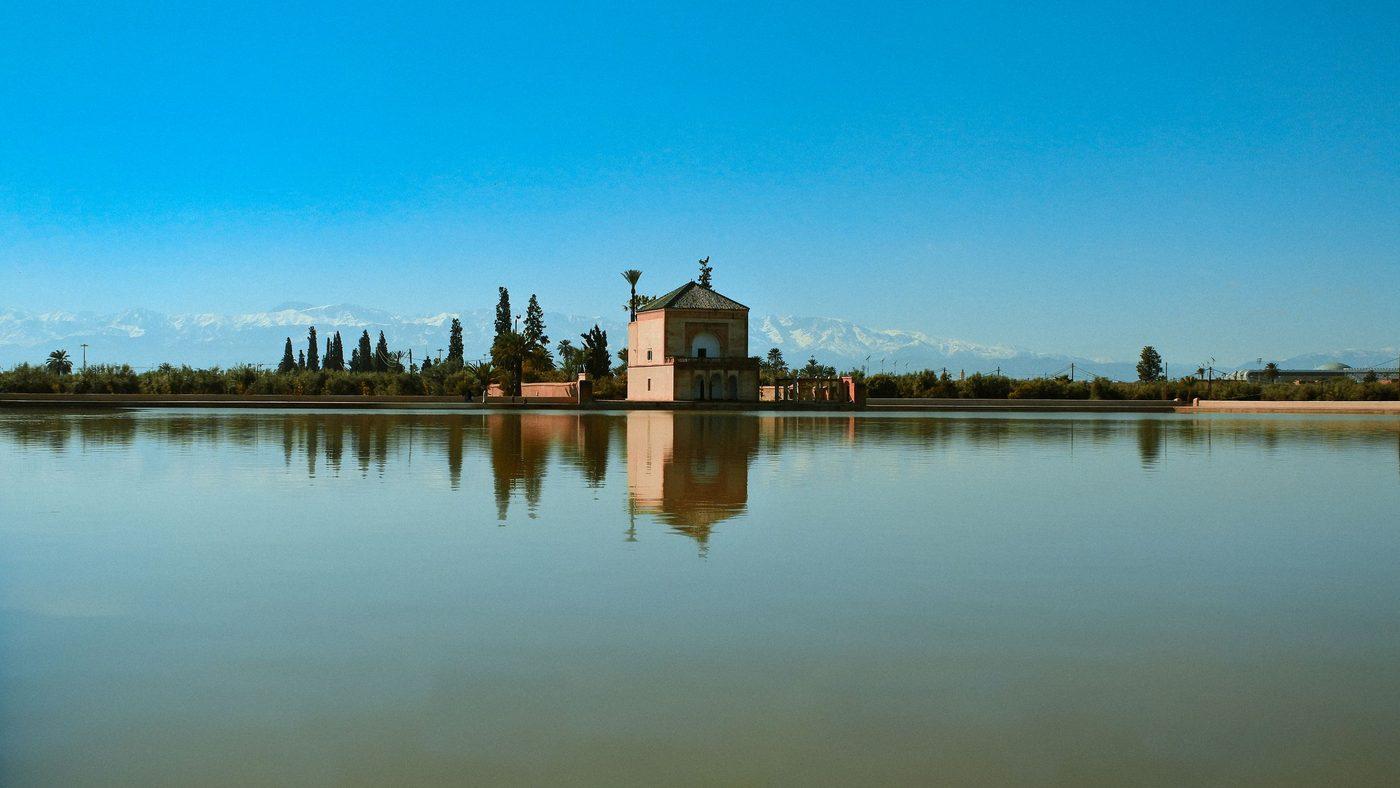
- The Menara: a large pool lined with olive trees, with the High Atlas as a backdrop on clear days.
Experiencing Marrakech like a Marrakchi
Beyond the monuments, a few experiences change the way you live the city:
- A traditional hammam, followed by a black soap scrub: as much a ritual as a moment of relaxation.
- A cooking class in a riad, starting at the market.
- An evening in Gueliz, the new town, for its galleries, cafés and modern restaurants.
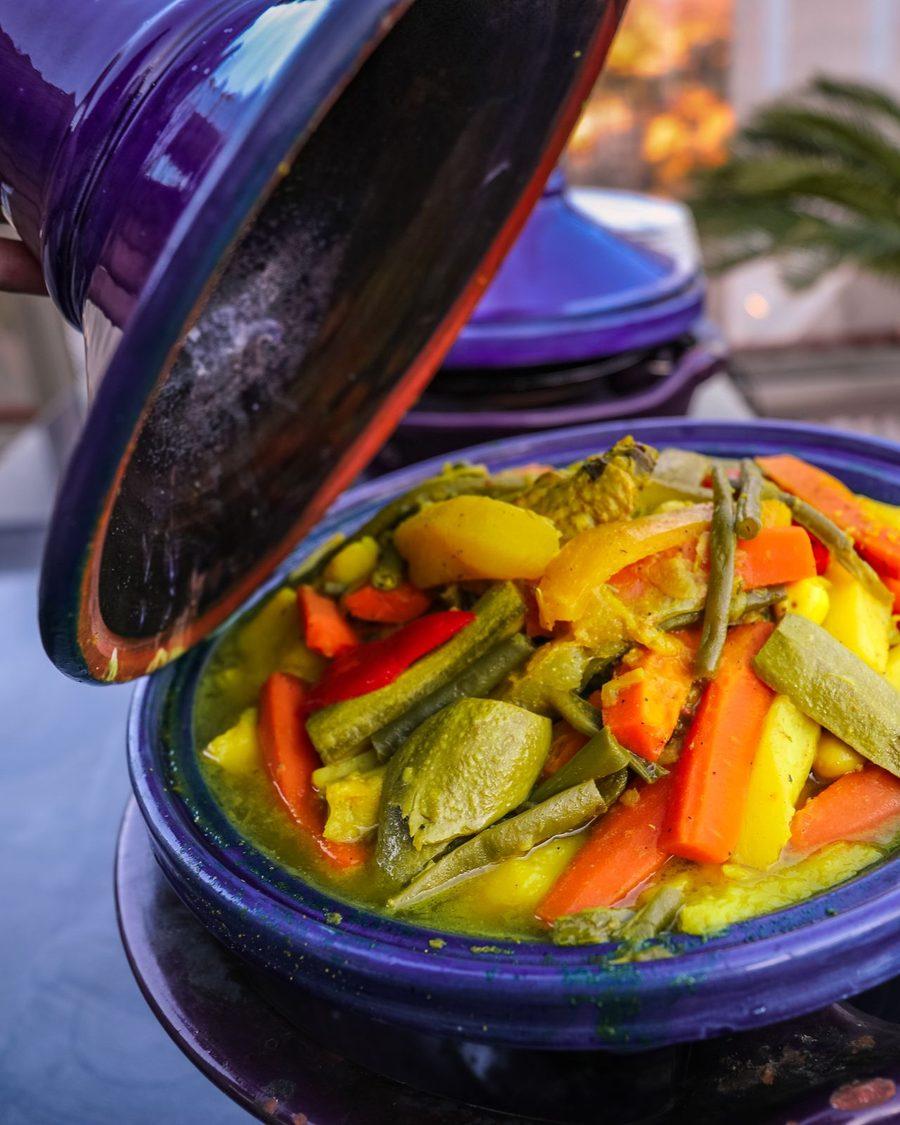
- A tanjia, the speciality of Marrakech: meat slow-cooked for hours in a clay jar, traditionally entrusted to the hammam's oven. We talk about it in our guide to Moroccan cuisine.
Day trips from Marrakech
Marrakech is also an excellent base for exploring further afield:
| Excursion | Distance | Ideal for |
|---|---|---|
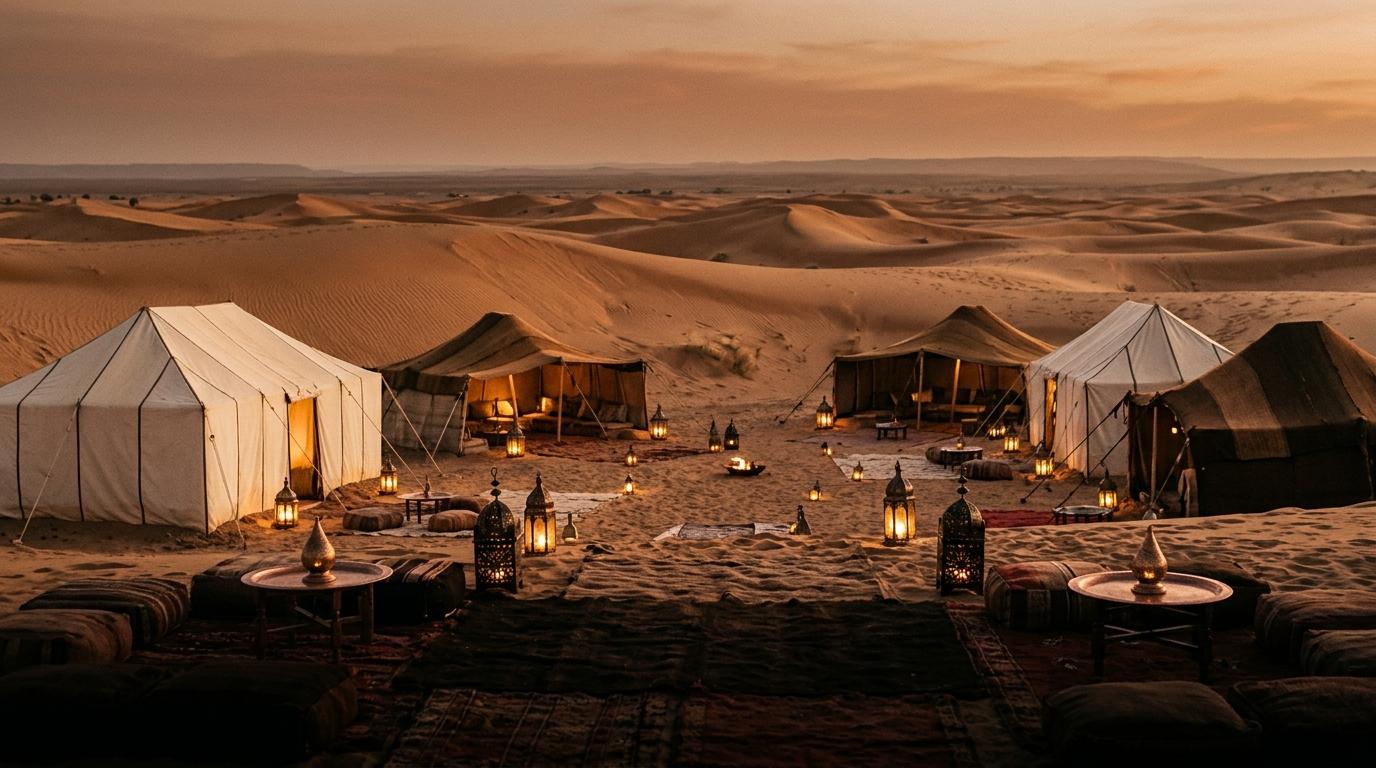
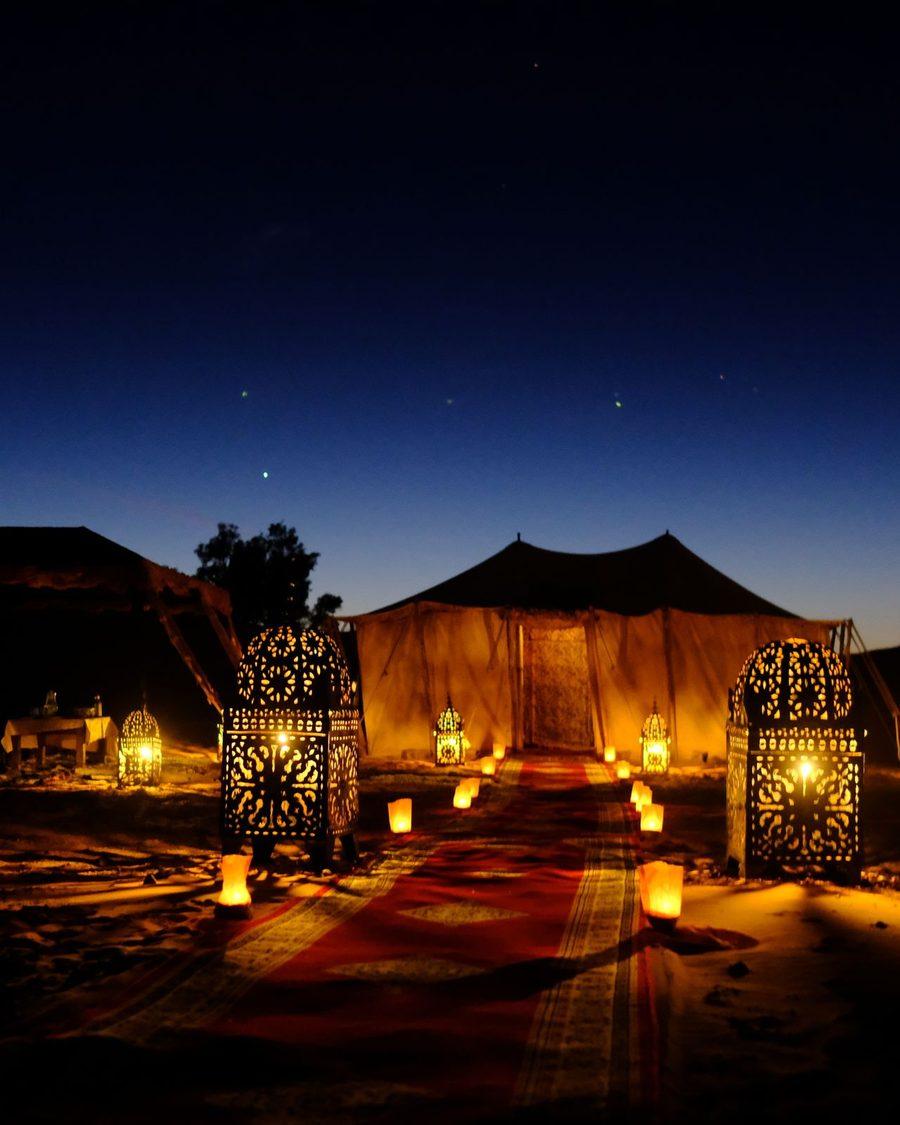
| Agafay Desert | About 45 min | Sunset, dinner under the stars |
| Ourika Valley | About 1 hr | Berber villages, waterfalls |
| Imlil and the High Atlas | About 1 hr 30 | Hiking, views of Toubkal |
| Ouzoud Waterfalls | About 3 hrs | A day in nature |
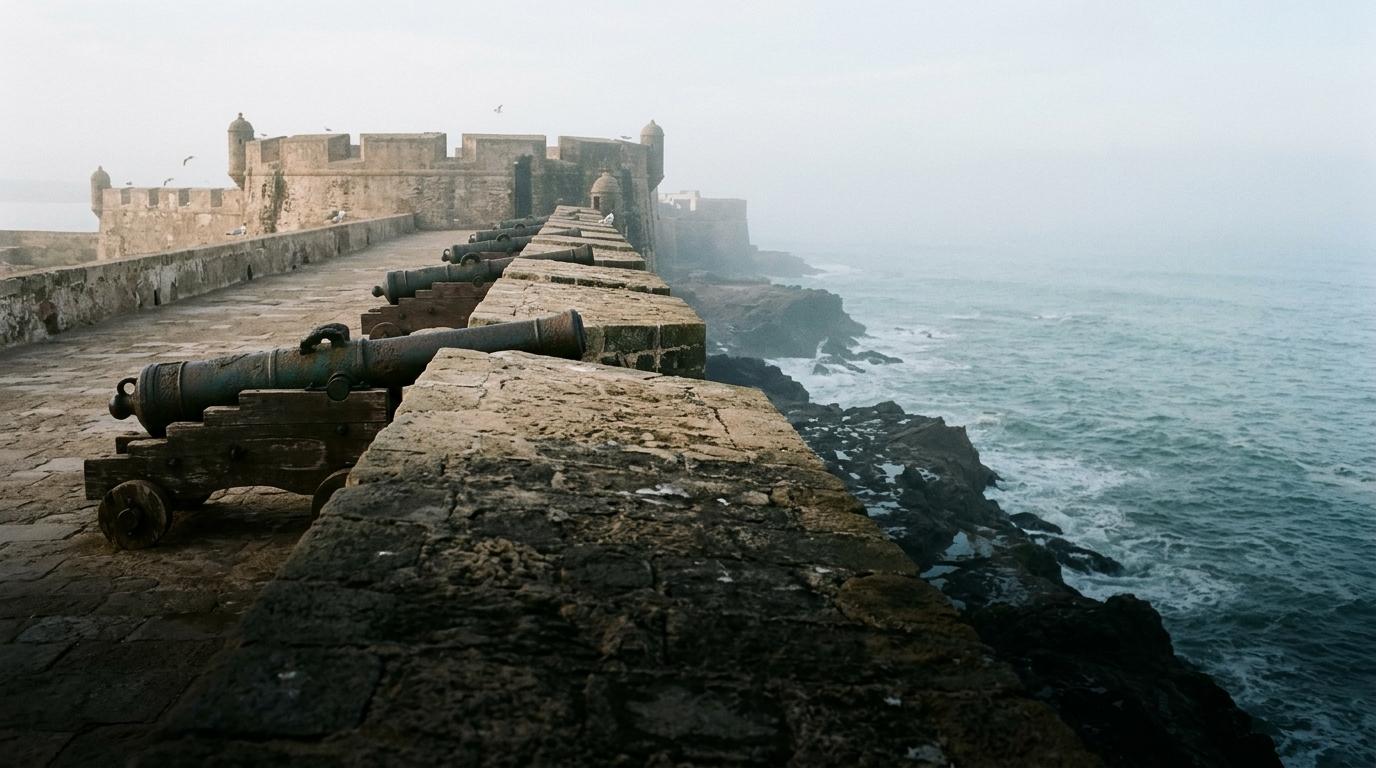
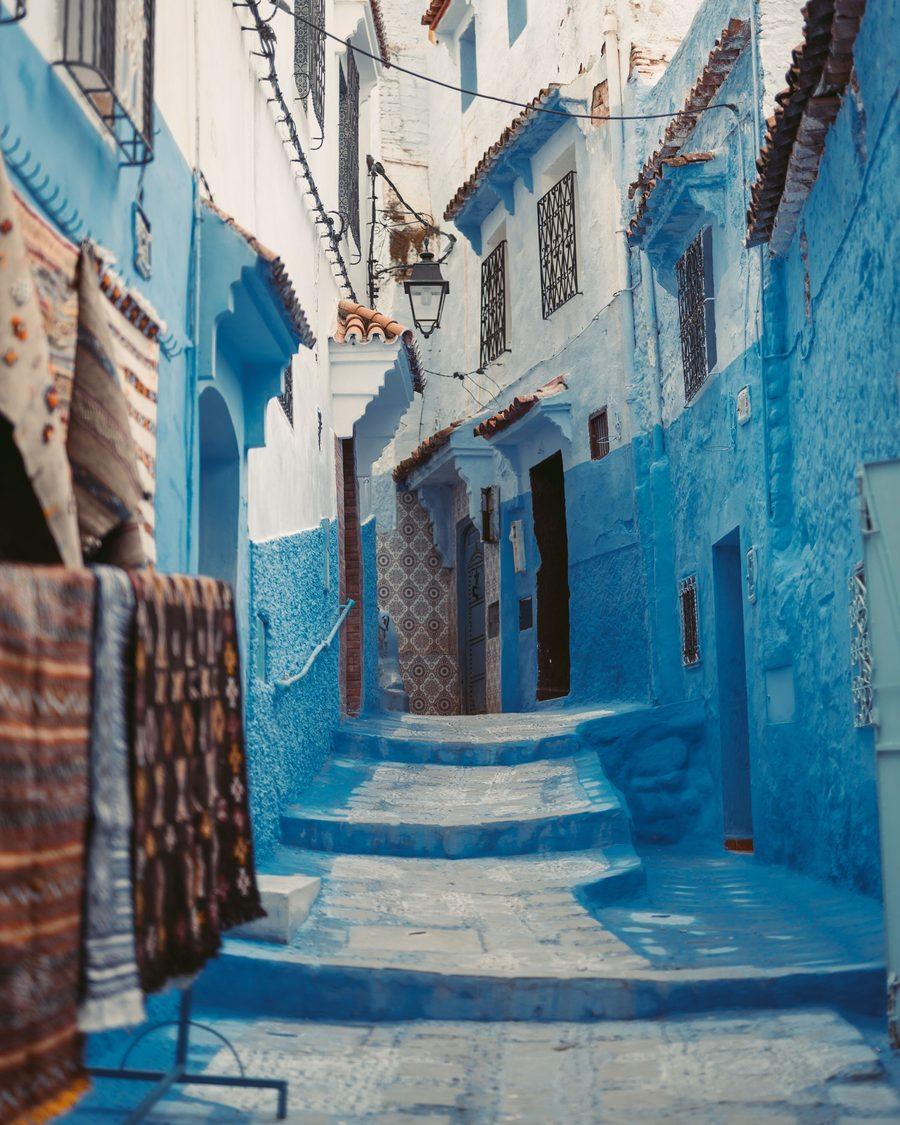
| Essaouira | About 3 hrs | The ocean, a blue-and-white medina |
For the real dune desert, allow at least three days: we explain everything in our article on a night in the Sahara Desert.
Our ideal 3-day itinerary
- Day 1, the medina: Bahia Palace at opening time, the Mellah, lunch on a terrace, the souks in the afternoon, sunset over Jemaa el-Fna.
- Day 2, gardens and architecture: the Majorelle Garden and Yves Saint Laurent Museum in the morning, Ben Youssef Madrasa, a hammam in the late afternoon, dinner in Gueliz.
- Day 3, the Atlas: a day in the Ourika Valley or Imlil, lunch with a Berber family, then a gentle return to your riad.
And after Marrakech?
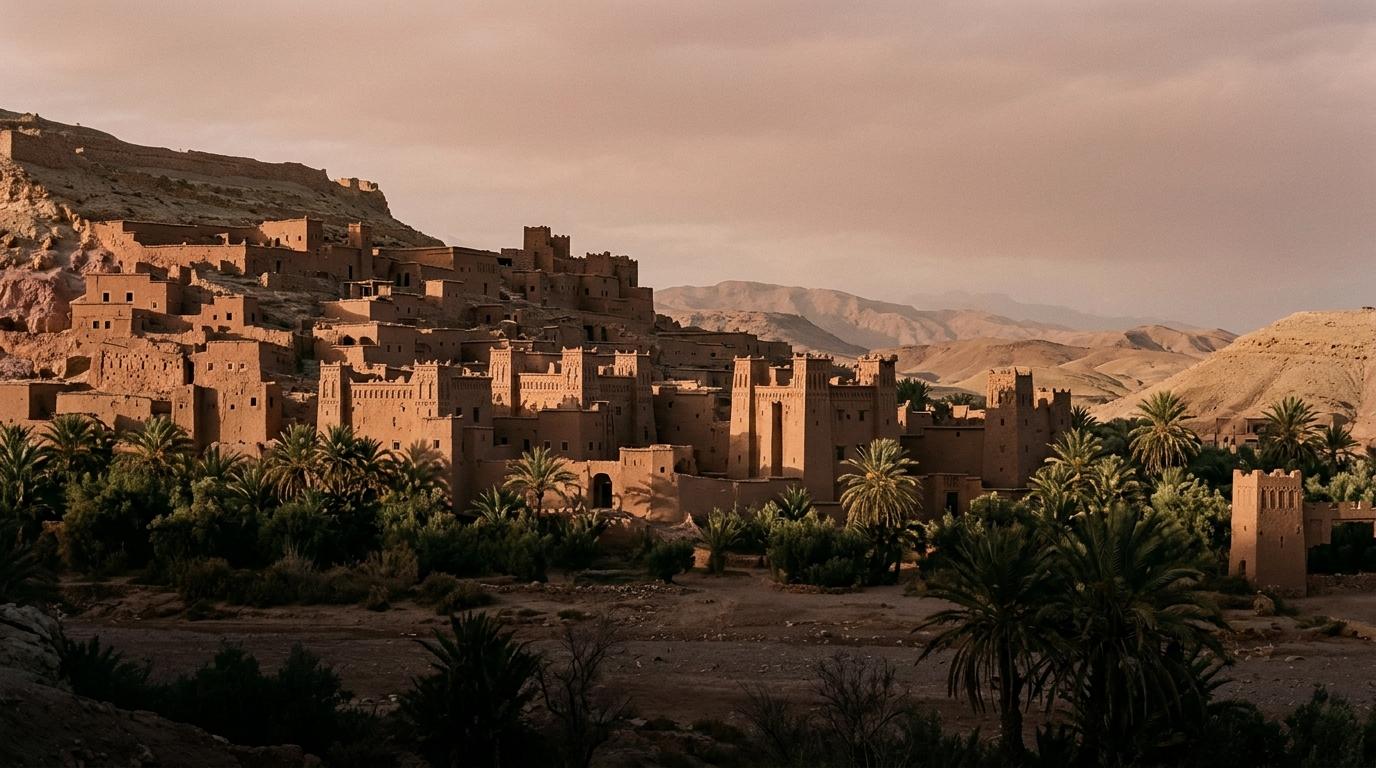
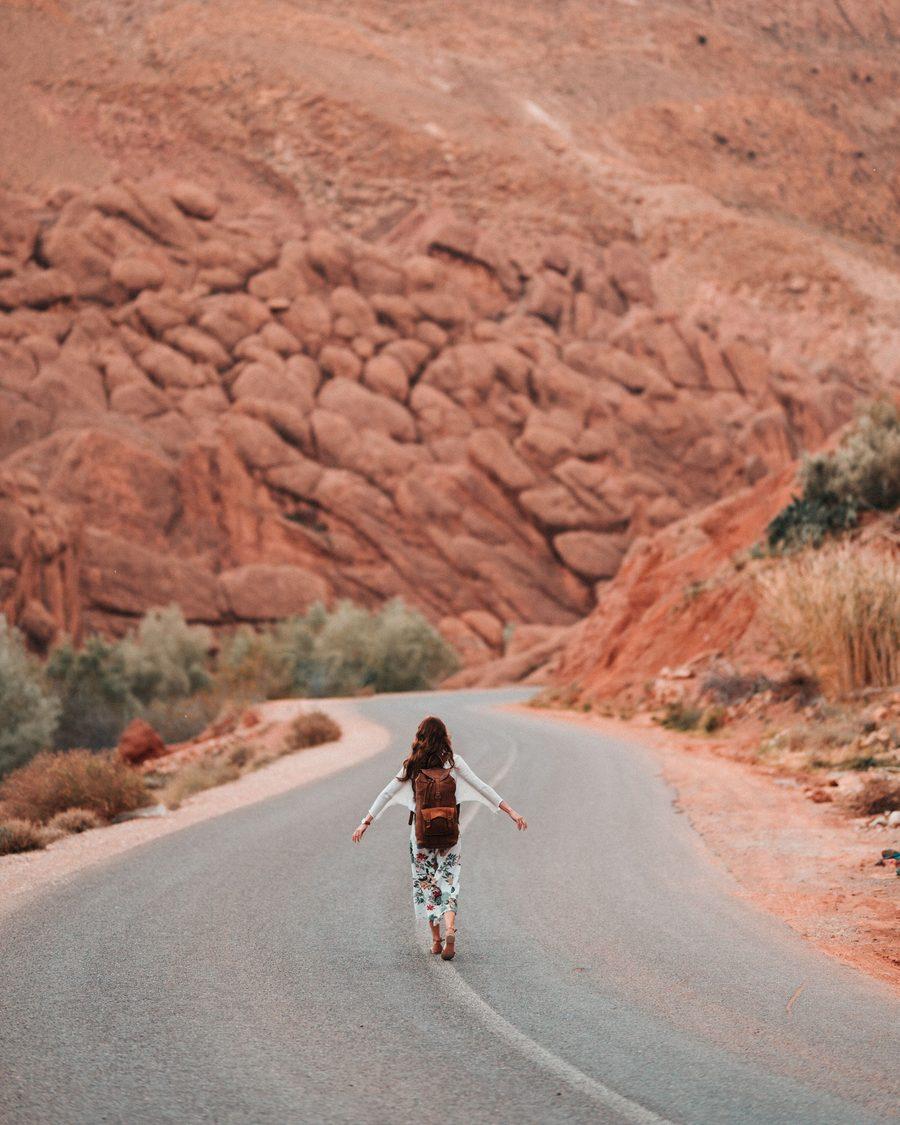
Marrakech is the ideal starting point for the kasbah route and the desert. Our Sahara Bound tour links Marrakech to Fes via the Atlas, the Dades Valley and the dunes of Erg Chebbi. For a fuller journey, The Grand Tour adds Essaouira and the imperial cities.
Frequently asked questions
How many days do you need to visit Marrakech?
Three days let you see the essentials without rushing: the medina, the palaces, the gardens and an escape into the Atlas. With two days, focus on the medina and the Majorelle Garden.
Do you need a guide to visit the medina?
It isn't compulsory, but a licensed local guide is very helpful on your first visit: they save you time, spare you unwanted attention and show you places you wouldn't find on your own.
When is the best time to visit Marrakech?
Spring and autumn offer the most pleasant temperatures. Winter is sunny but cool in the evenings, and summer is very hot. Our article When to visit Morocco? covers each season in detail.
Where should you stay in Marrakech?
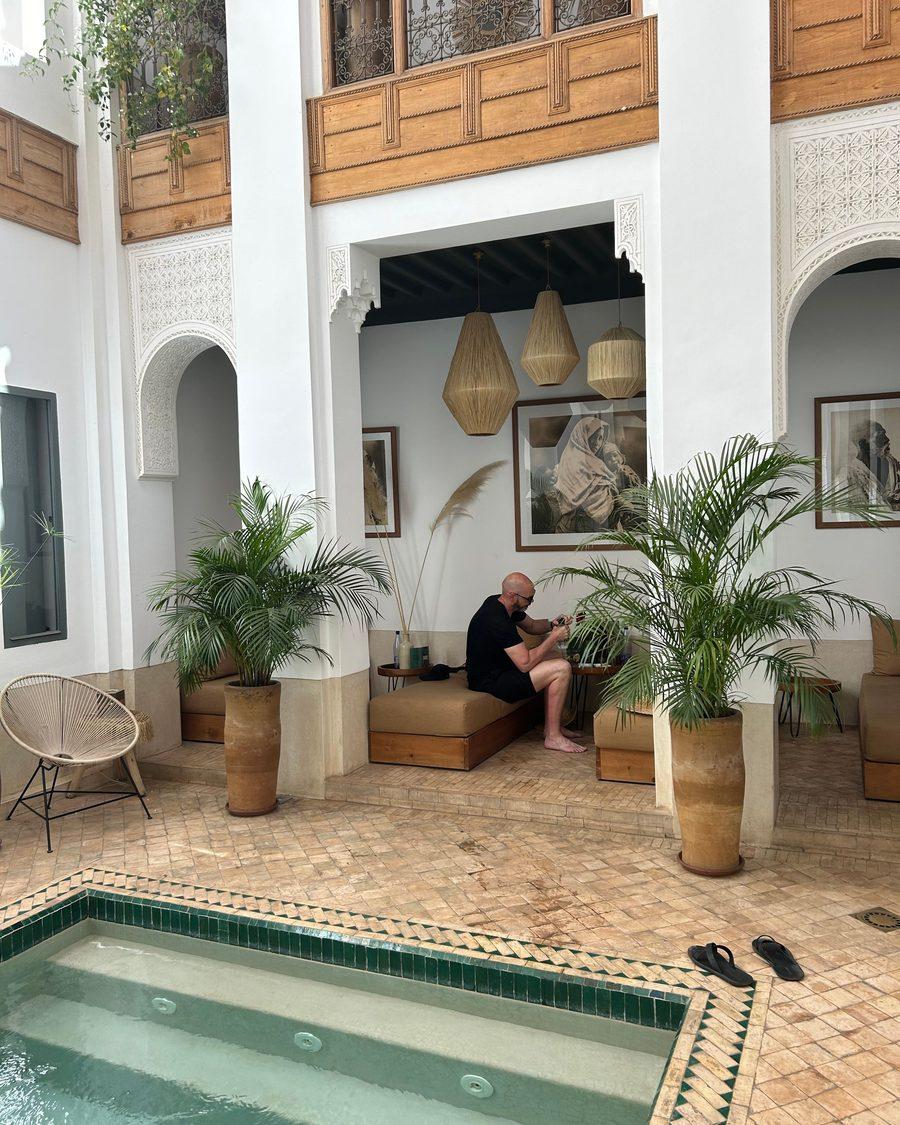
For atmosphere, nothing beats a riad in the medina. For more space and a large pool, the Palmeraie or the hotels close to the medina are excellent options, especially at the end of your trip.
Can you see the desert from Marrakech in a day?
The Agafay Desert, about 45 minutes away, offers a spectacular stony landscape, but it is not a dune desert. For the great dunes of the Sahara, you need to allow at least three days there and back.
Can Levart Voyage organise my stay in Marrakech?
Yes: transfers, riad, private guide, hammam, cooking class or escapes into the Atlas. Get in touch via our enquiry form or on WhatsApp to build your programme.