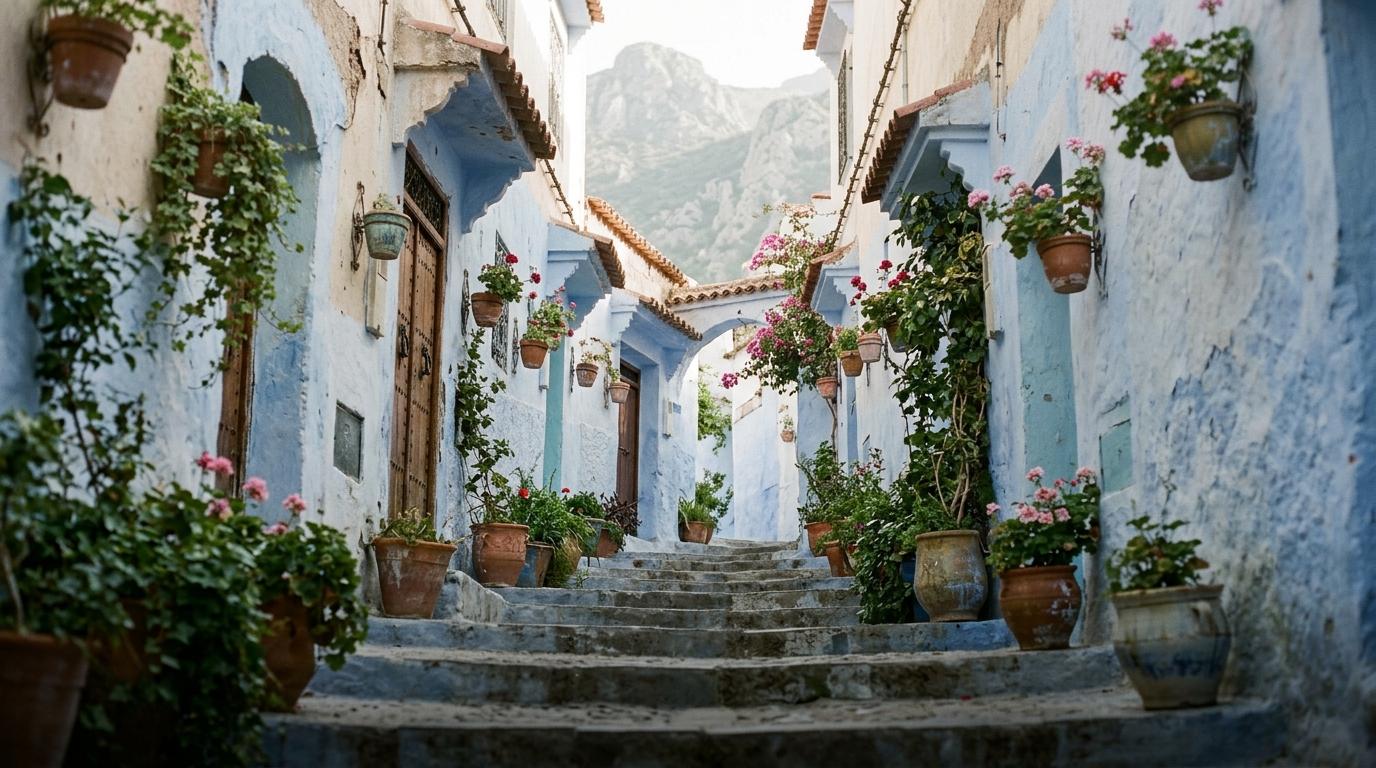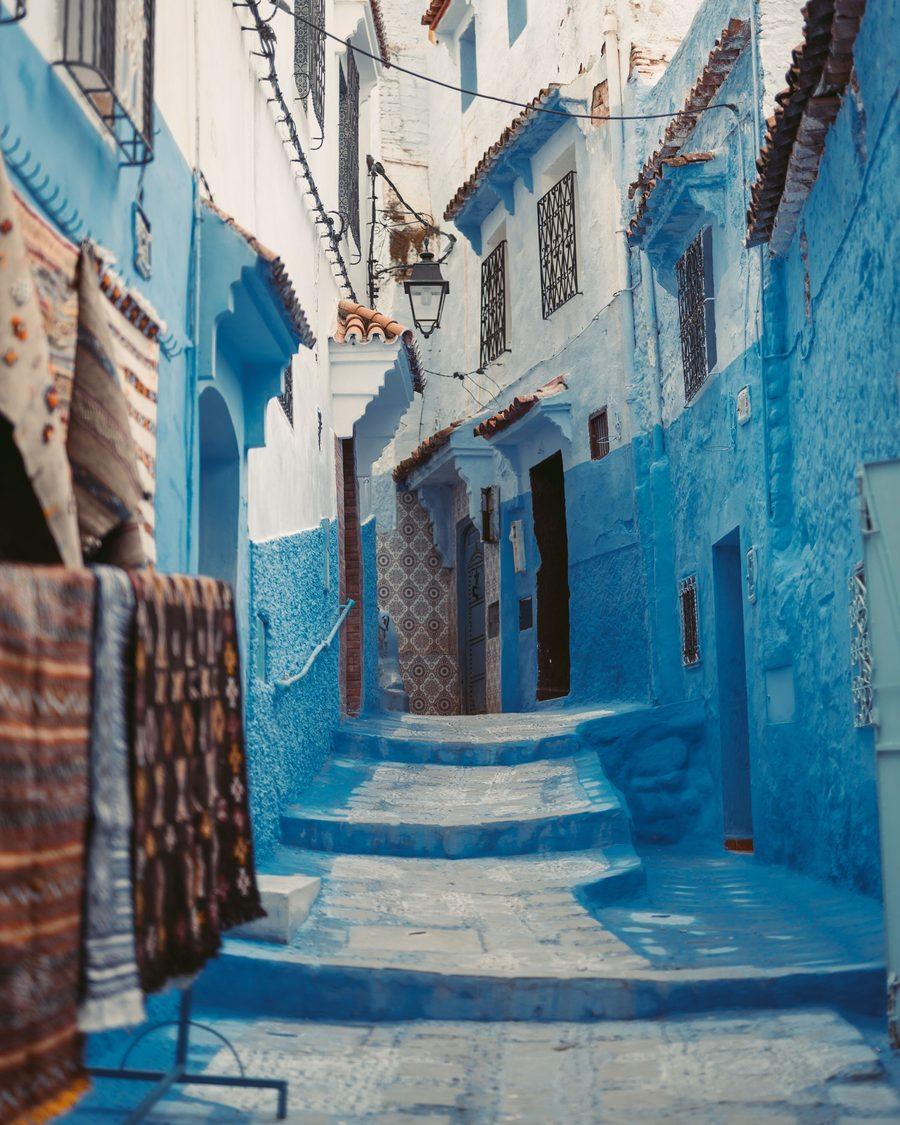
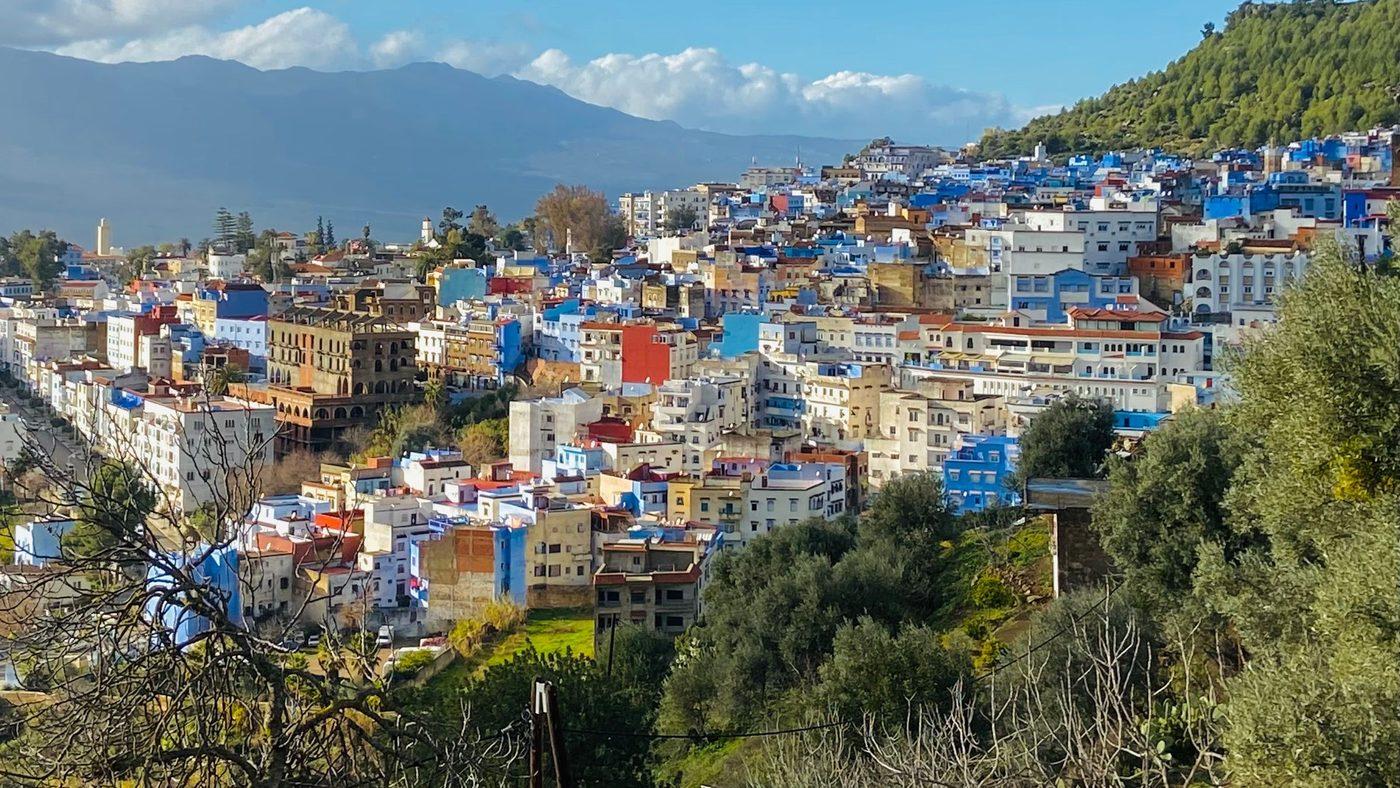
Clinging to the slopes of the Rif, Chefchaouen looks as though it has been painted by hand. Its lanes run through every shade of blue, from lavender to midnight, its stairways are lined with flowerpots, and the surrounding mountains give it the air of a village suspended out of time.
It has become one of the most photographed towns in Morocco, yet it remains a peaceful little town where slowing down comes naturally. Here is our guide to enjoying "the blue pearl", with its must-sees, its surroundings and a few tips for discovering it with respect for the people who live there.
Why is Chefchaouen blue?
No one really agrees on the origin of this blue, and that is part of its charm. Several explanations circulate:
- A tradition brought by the Jewish families who settled in the town, for whom blue evoked the sky and the divine.
- A way of keeping houses cool and warding off mosquitoes, according to popular belief.
- A choice kept alive by the residents and encouraged for the beauty of the town over the decades.
One thing is certain: residents regularly repaint their façades, often in spring, and each neighbourhood has its own shades.
What to see in the Chefchaouen medina?
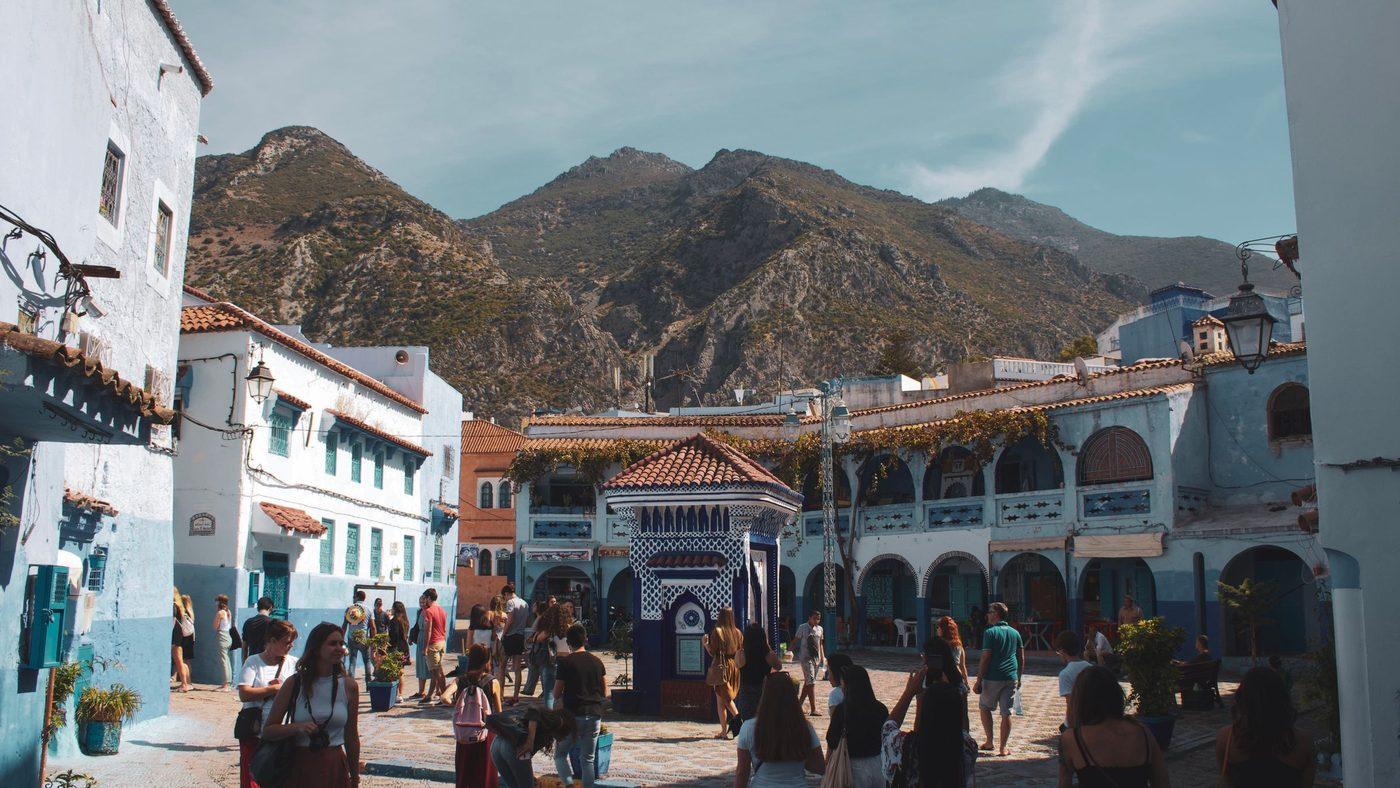
Outa el-Hammam Square
This is the heart of the town: a shady square lined with cafés and overlooked by the Great Mosque and its octagonal minaret. Ideal for a mint tea while watching the world go by.
The kasbah
On the square, the old ochre-walled fortress houses an Andalusian garden, a small ethnographic museum and a tower from which you can take in the whole medina at a glance.
The blue lanes
The real pleasure of Chefchaouen is getting lost. The most picturesque quarters lie in the upper part of the medina, around the stairways that climb towards the mountain. Every door, every step, every flowerpot becomes a picture.
Ras el-Ma
At the eastern edge of the medina, the spring that supplies the town gushes out at the foot of the mountain. Local women still sometimes do their washing here, and the little cafés by the water are perfect for a cool break.
The Spanish Mosque at sunset
Built by the Spanish in the 1920s on a hill facing the town, this white mosque, no longer in use today, offers the finest view of Chefchaouen. Allow about 30 minutes' walk from Ras el-Ma, along a path that climbs through the olive trees. At sunset, the blue city is tinged with pink and gold: a magical moment.
Photographing Chefchaouen with respect
Chefchaouen is first and foremost a place where people live. A few simple gestures make all the difference:
- Always ask before photographing someone, and accept a refusal with a smile.
- Don't sit on the steps of houses, and don't touch the doors or flowerpots.
- Be discreet in the residential lanes, especially early in the morning and in the evening.
- Buy local: a piece of weaving, a goat's cheese, a tea in a neighbourhood café all directly support the residents.
Around Chefchaouen
- The Akchour waterfalls: about an hour's drive away, a hike along the river leads to waterfalls and to God's Bridge (Pont de Dieu), a spectacular natural arch. Bring good shoes.
- Talassemtane National Park: cedar and fir forests, mountain villages and hiking trails.
- Tetouan: about an hour away, its UNESCO-listed white medina is well worth a stop.
- Tangier: about two hours away, between the Mediterranean and the Atlantic.
Flavours of the Rif
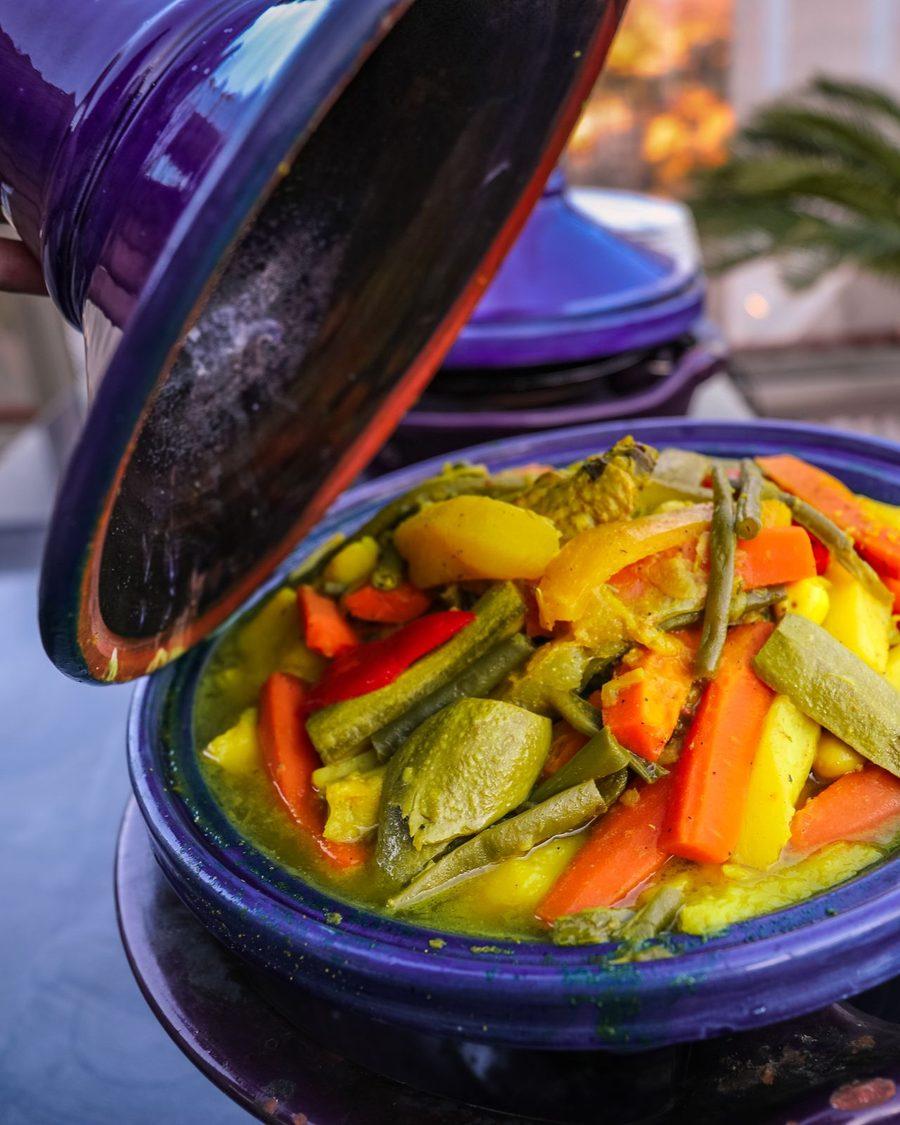
Chefchaouen is renowned for its fresh goat's cheese, often served with honey or olive oil. Be sure to try bissara, the broad bean soup of the North, and the mountain tagines too. In the evening, the terraces of the little restaurants offer a superb view over the illuminated medina.
How long to stay in Chefchaouen?
One night is the minimum: the town takes on a completely different face once the day-trippers leave. Two nights let you enjoy the lanes in peace, climb up to the Spanish Mosque and hike to the Akchour waterfalls.
| From | Driving time | Our advice |
|---|---|---|
| Tangier | About 2 hrs | Ideal for a short break in the North |
| Fes | About 4 hrs | A natural stop between the North and the imperial cities |
| Casablanca | About 4 hrs 30 to 5 hrs | Best included in a tour rather than as a return trip |
Chefchaouen has no train service: a car with a driver remains the most comfortable option.
When to visit Chefchaouen?
Spring and autumn are the loveliest seasons: mild temperatures, green mountains and ideal light for photos. In summer, the town is busier, but the altitude keeps the evenings pleasant. Winter is cooler and rainier, but offers an intimate atmosphere and gentler prices. Find out more in our article When to visit Morocco?.
Chefchaouen on our tours
Our Blue Pearl tour devotes 4 days to Tangier and Chefchaouen, perfect for a first taste of the North. Chefchaouen is also a stop on Imperial Cities and From the Strait to the Dunes, which link it to Fes and the Sahara.
Frequently asked questions
Is Chefchaouen really worth the detour?
Yes, especially if you stay the night. The town is extremely photogenic, but what leaves the deepest impression on our travellers is its peaceful atmosphere, its mountains and the gentle pace of life in the Rif.
Can you visit Chefchaouen in a day?
It is possible from Tangier or Tetouan, but you miss the finest moments: the morning and the evening, when the lanes regain their calm. We recommend at least one night.
Why are the houses in Chefchaouen blue?
Several explanations coexist: a tradition linked to the Jewish families who settled in the town, the wish to keep houses cool or ward off insects, and the residents' desire to preserve the beauty of their town.
How do you get to Chefchaouen?
By car or bus from Tangier, Tetouan or Fes: there is no railway station. On our private trips, your driver takes you there directly, stopping along the way if you wish.
What to bring back from Chefchaouen?
Woollen weaving, colourful blankets, natural soaps and oils, and spices. The local goat's cheese is best enjoyed on the spot.
Can Levart Voyage organise a stay in Chefchaouen?
Yes, on its own or as part of a longer tour: a riad in the medina, a local guide, a hike to Akchour. Write to us via our enquiry form or on WhatsApp.