"Is it safe?" It's one of the first questions our travellers ask us, and it's a perfectly fair one. Heading to a country you don't know, with a different language and different customs, calls for a little reassurance.
We are a Moroccan team based in Boumalne Dadès, and we look after travellers from all over the world throughout the year. Here is our honest answer: what goes smoothly, what to keep an eye on, and what makes for a relaxed, worry-free trip.
The short answer
Yes, Morocco is a destination where you can travel with peace of mind, and millions of visitors go there every year. The hassles travellers encounter are mostly minor annoyances (persistent touting, inflated prices, fake guides) rather than any real danger.
As anywhere, a few simple habits are enough to avoid most unpleasant surprises. And before any trip, we recommend checking your own government's travel advice, which is updated regularly.
What the question really means
When people ask us whether Morocco is safe, they are often asking something else:
- Will I feel comfortable in the medinas?
- Will I get ripped off?
- Is it suitable if I'm travelling alone as a woman, or with children?
- Are the roads reliable?
- What happens if I run into a problem while I'm there?
Each of these questions has a concrete answer. Let's take them one by one.
In the cities: what goes smoothly, and what calls for care
What goes smoothly
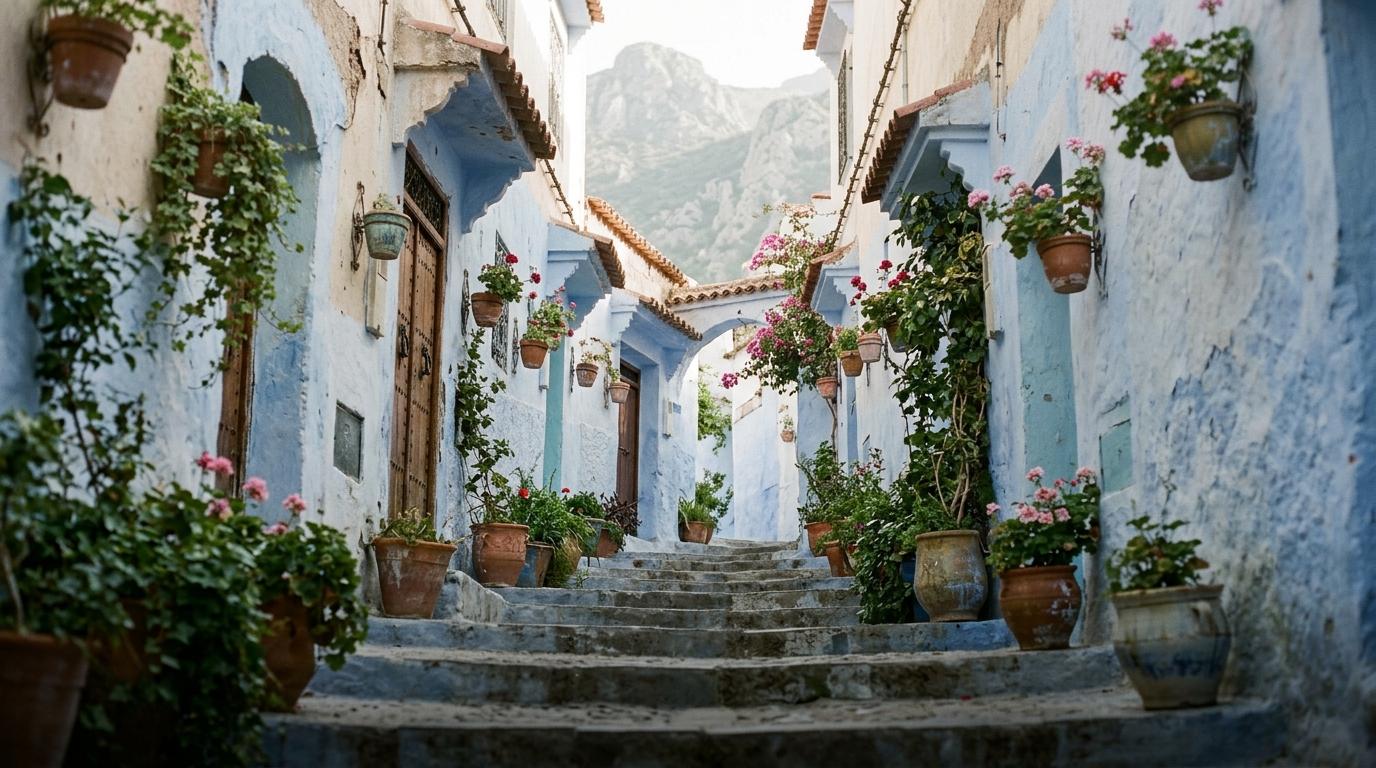
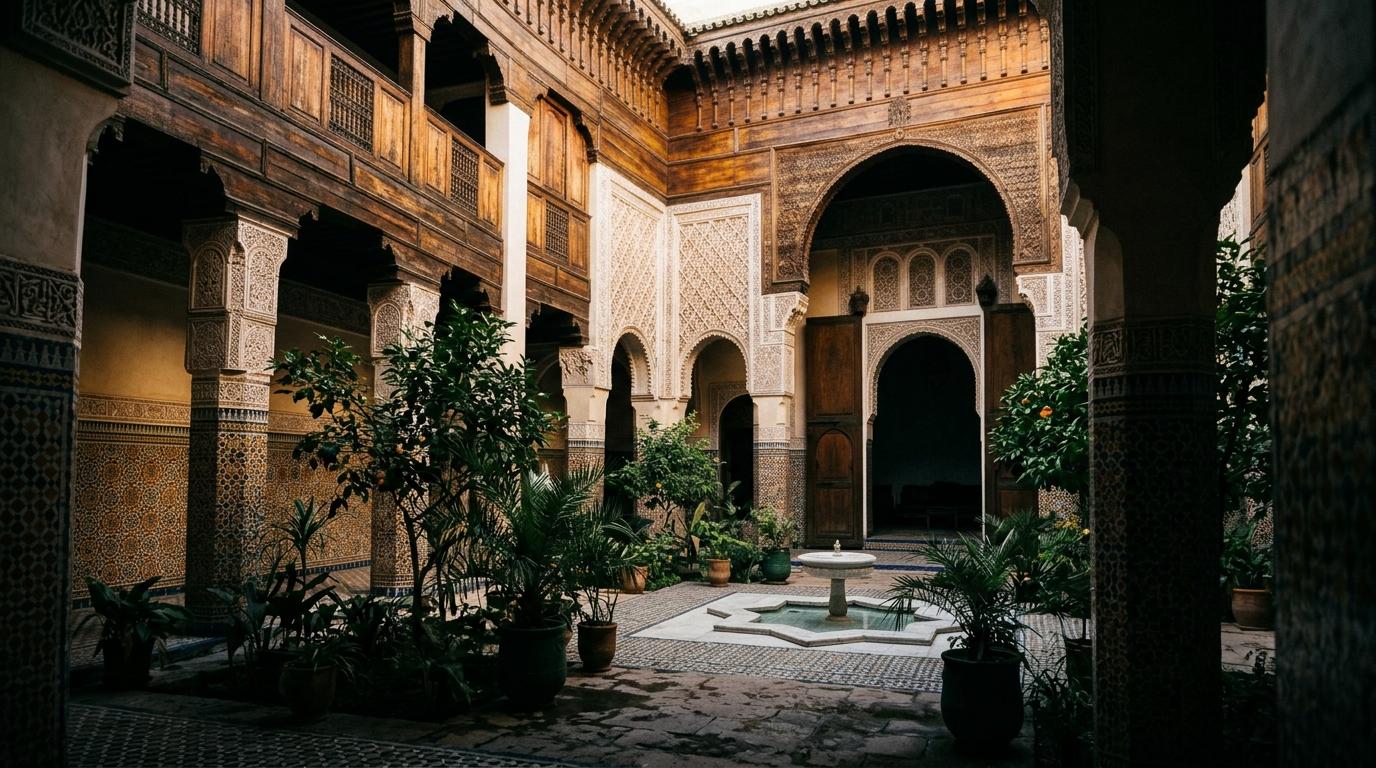
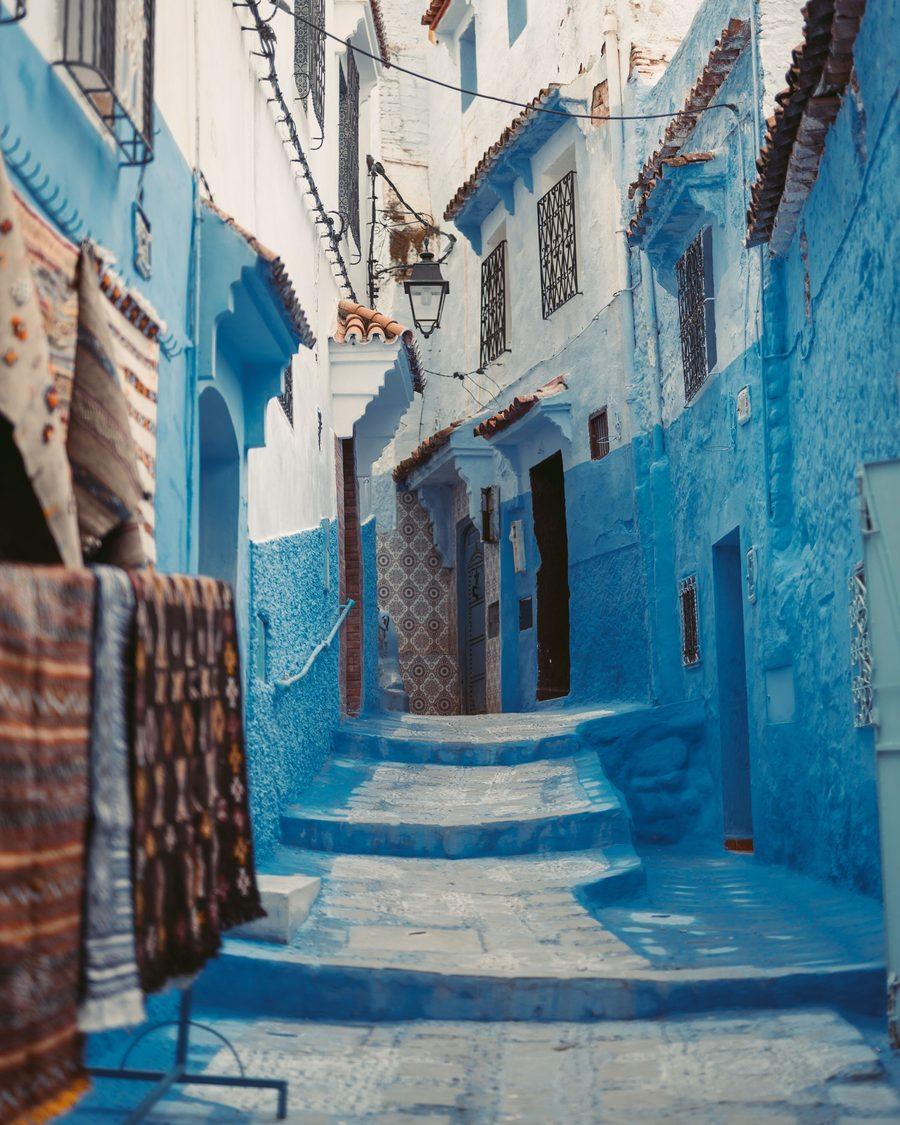
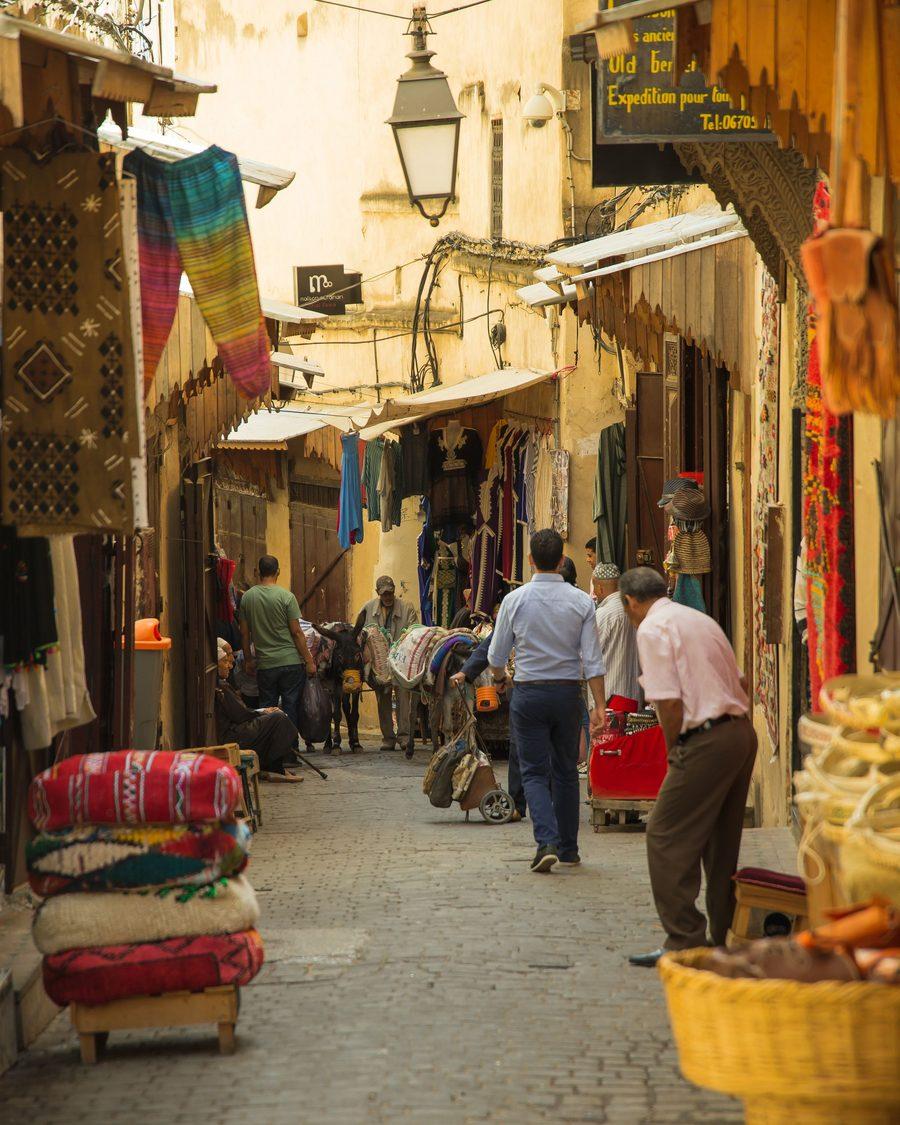
The main tourist cities (Marrakech, Fes, Chefchaouen, Essaouira, Tangier) are well used to visitors. A tourist police unit is present in the main medinas, and the central districts stay lively until late in the evening. The vast majority of Moroccans you meet will be welcoming, curious and helpful.
What calls for care
- Pickpockets in the crowded souks and on Jemaa el-Fna square, as in every major tourist hotspot in the world.
- Fake guides who offer to "show you the way" and then ask for money.
- Deserted alleyways at night, where it's best not to get lost on your own.
Scams and minor hassles: how to avoid them
Nothing serious, but they're worth knowing about:
- "That way is closed": a stranger assures you the street is closed and offers to guide you. Thank them politely and carry on.
- The taxi without a meter: in small city taxis, ask for the meter to be switched on, or agree the fare before getting in.
- The souk "gift": an item is offered to you, then payment is demanded. A smiling "no, thank you" is enough.
- The price that doubles: in the souks, haggling is part of the game. Set yourself a maximum price before you start.
- The paid photo: snake charmers and water sellers ask for a coin after the photo. Ask before you take the picture.
Travelling in Morocco as a woman
Many women travel to Morocco, alone or with friends, and come home with wonderful memories. Comments and lingering looks do happen, especially in the busy medinas; they generally remain verbal and stop when ignored.
A few practical tips:
- Clothing that covers the shoulders and knees attracts less attention in the medinas and villages. It isn't an obligation, more a choice for your own comfort.
- A wedding ring (real or not) and sunglasses often discourage persistent conversations.
- In the evening, stick to lively areas and travel by car with a driver.
On a private journey, the question arises far less: your driver and guides are there, and you stay in places we know well.
On the road: the real point of attention
When it comes to objective risk, it's the roads that deserve the most attention, not crime. Distances are long, mountain roads are winding (the Tizi n'Tichka pass rises to over 2,200 metres) and local driving habits can take you by surprise.
That's why we recommend:
- A professional driver rather than a hire car for the long stretches.
- No driving at night, especially in the mountains.
- Reasonable daily distances, for example splitting Marrakech – Merzouga over two days with a night in the Dades Valley.
- A recent, well-maintained vehicle, air-conditioned, with seat belts in every seat.
Health, water and everyday niggles
- Drink bottled water and avoid ice in less frequented places.
- Protect yourself from the sun: hat, sunscreen, water, especially in the desert.
- Take out travel insurance that covers medical expenses and repatriation.
- The private clinics in the major cities are of a good standard; your adviser can point you in the right direction.
- Useful numbers: police 19, gendarmerie 177 (outside the cities), fire brigade and ambulance 15.
First trip to Morocco: our recommendations
On a first visit, everything often hinges on the first few hours. A well-organised arrival sets the tone for the entire trip. Our five pillars:
- A meet-and-greet at the airport and a direct transfer to your riad.
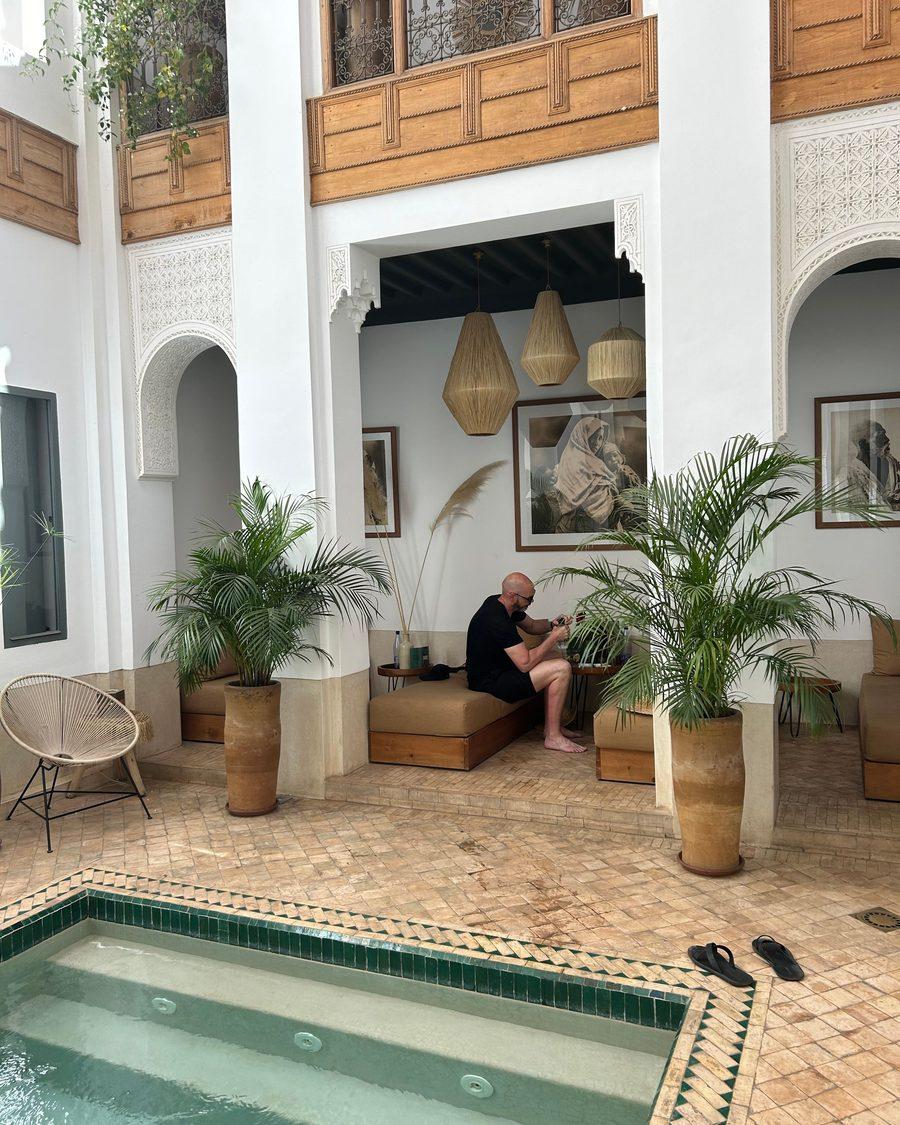
- Well-located accommodation, easy to reach, with an attentive team.
- A realistic itinerary, with no marathon days.
- A guide for your first discovery of each medina.
- A contact you can reach at any time if you have a question.
Travel independently or with a local agency?
Morocco is very rewarding to explore independently, especially if you're a seasoned traveller. But a private journey organised by a local team removes almost all the friction: no haggling with taxis, no guesswork finding your way around the medinas, no long drives in a hire car.
At Levart Voyage, your adviser is reachable on WhatsApp before, during and after your trip. That's often what reassures our travellers most: knowing that, if in doubt, someone who knows the ground will answer straight away.
Travel with confidence, not anxiety
Morocco rewards those who arrive with an open mind. With a little preparation and the right people at your side, the hassles fade into anecdotes and leave room for what really matters: the hospitality, the landscapes, the encounters.
If you're still undecided, our Blue Pearl tour between Tangier and Chefchaouen or the Imperial Cities route are excellent first introductions to the country.
Frequently asked questions
Is Morocco safe for a first trip?
Yes, provided you plan your arrival carefully and don't overload your itinerary. A guide for your first visit to the medinas and a driver for the long distances are enough to make the experience very comfortable.
Can women travel alone in Morocco?
Yes, many women do. Expect a few comments in the medinas, rarely anything more. Covering clothing, a confident manner and travelling by car in the evening make the trip far more relaxed.
Is Marrakech safe at night?
Jemaa el-Fna square and the central districts stay lively until late in the evening. Simply avoid getting lost on your own in the medina's deserted alleyways, and head back by taxi or with your driver.
Is the Sahara Desert dangerous?
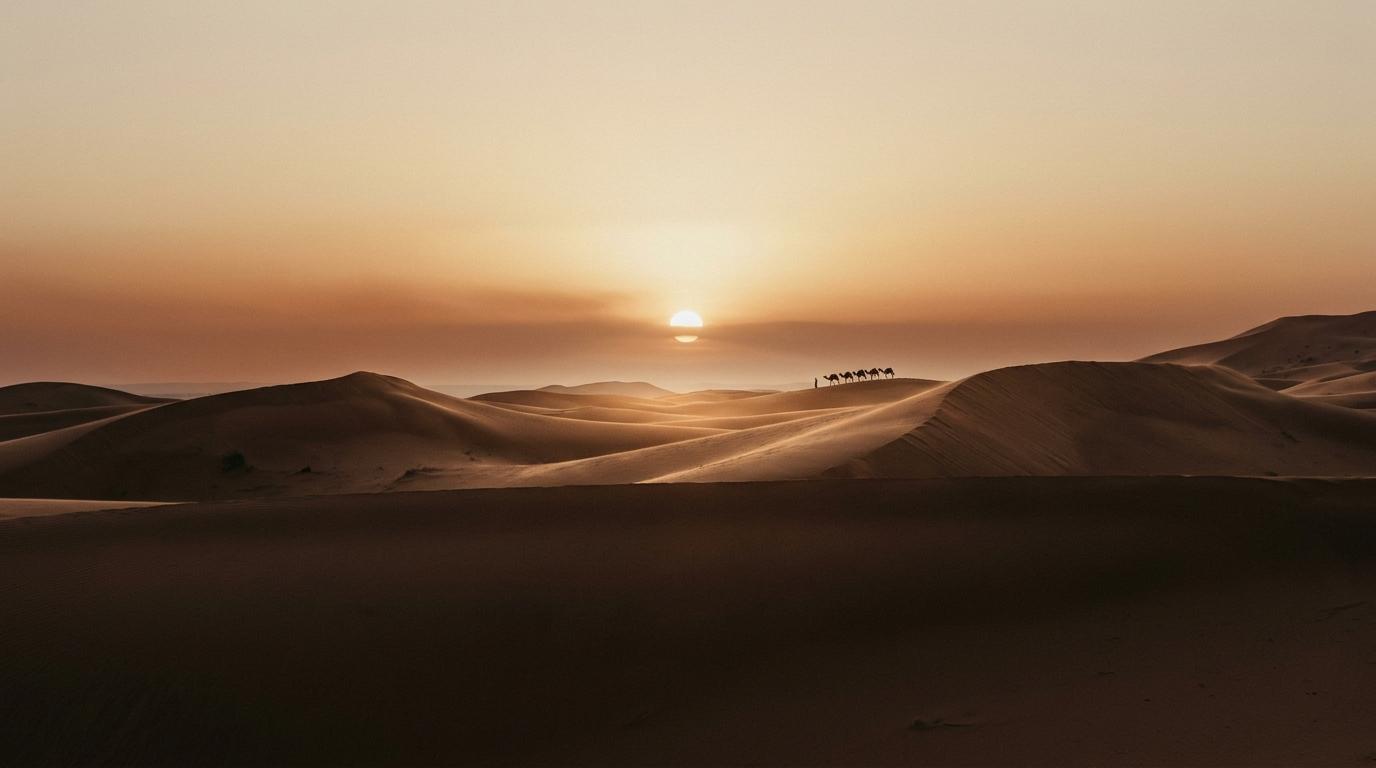
No, as long as you stay at a reputable camp and travel with a trustworthy organiser. The main things to watch are the heat, the sun and the drive to the dunes, which is why an experienced driver is so valuable.
Can you drink the tap water?
It is treated in the major cities, but we recommend bottled water to avoid any stomach upsets, especially at the start of your trip.
What should I do if there's a problem during my trip?
Contact your Levart Voyage adviser on WhatsApp: we'll find a solution quickly, whether it's a delay, a health concern or simply a change of plan. In an emergency, dial 19 (police) or 15 (emergency services).